A polished AI short film usually fails for one simple reason: the workflow breaks in the middle. The script looks promising, the first image feels strong, and then the character changes face, the lighting drifts, or the final cut loses emotional focus.
That is why the smartest process is not built around one tool. It is built around a clear three-part system: text for structure, image generation for visual lock, and editing for finish. In that workflow, Banana AI becomes the key visual anchor inside Kimg AI, especially when character consistency and scene mood need to stay under control.
I. Why This Golden Triangle Matters
1. A short film needs structure before style
A striking image is not the same as a story. Before any scene is generated, the narrative arc needs a beginning, a turning point, and a visual payoff.
That early planning stage decides whether the film feels intentional or random. It also saves time by reducing prompt drift later.
2. Visual consistency decides whether the film feels believable
Many AI shorts look impressive for a few seconds and then fall apart. A face changes between cuts, wardrobe details vanish, or the same room suddenly has different shadows.
That is not a minor flaw. It breaks viewer trust almost immediately.
3. Finishing tools turn raw material into a watchable piece
Even a strong image sequence still needs rhythm. Cuts, transitions, subtitles, voice, and sound design are what turn isolated assets into a complete viewing experience.
The strongest workflow treats editing as the final glue, not an afterthought.
II. Step One: Build the Script with ChatGPT or Claude
1. Use text tools to shape the core idea
For story planning, ChatGPT or Claude remains the most useful starting point. Both are excellent for turning a rough concept into a clean outline with scene goals, emotional beats, and basic pacing.
This is the stage where the short film learns what it wants to be.
2. Turn the outline into a shot-by-shot storyboard draft
Once the concept is stable, text tools help break it into scenes. A one-minute short becomes much easier to produce when it is written as six or eight specific shots instead of one long abstract prompt.
This is also the best time to define camera angle, tone, props, and scene order.
3. Fix logic problems before visual work begins
If the motivation is weak on the page, it will stay weak on screen. Text tools are perfect for checking whether the opening hook lands, whether the middle drags, and whether the ending earns its emotion.
At this stage, they outperform image tools because structure is still the real job.
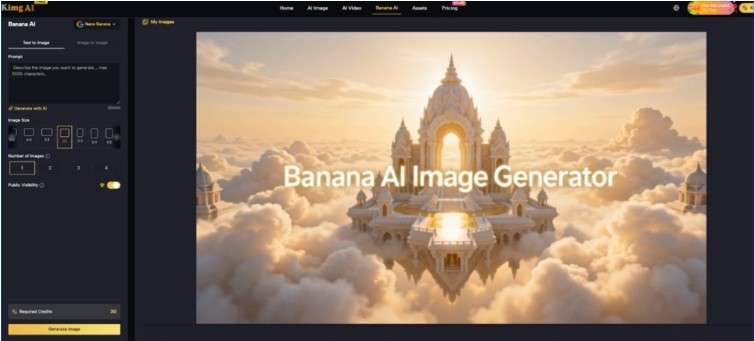
III. Step Two: Lock the Visual Identity with Banana AI on Kimg AI
1. Text-based ideation reaches its limit here
Once the script is ready, pure text tools stop being enough. They can describe a character, but they cannot reliably hold the same face, costume details, and light logic across the frames needed for a short film.
That is where Kimg AI becomes far more useful, because the Nano Banana model family is built for image generation with stronger visual control.
2. Banana AI works as the visual anchor of the workflow
The real value of Banana AI is not just making a pretty image. It is helping a project lock the character look, scene tone, and composition before motion work begins.
That makes later video creation much smoother. When the key frame is already stable, the next production step starts from a stronger foundation instead of guesswork.
3. This is where image consistency stops being optional
A short film lives or dies on continuity. If one close-up feels disconnected from the next, the story loses impact.
For that reason, many creators searching for Banana AI Image Maker are not simply looking for another image tool. They are looking for a cleaner way to hold identity, lighting, and scene language in place across multiple outputs.
IV. Choosing the Right Nano Banana Version
1. Nano Banana fits lighter reference setups
Nano Banana is a practical choice when the project only needs a focused set of visual references. On the Kimg AI page, this model accepts up to 444 reference images.
That makes it suitable for a fast concept pass, a single-character setup, or a controlled scene test.
2. Nano Banana Pro adds more room for visual control
When the short film needs stronger consistency, Nano Banana Pro gives more reference capacity. It supports up to 888 reference images.
That extra room helps when a project needs to preserve face details, outfit changes, prop continuity, or a fixed environment across several hero frames.
3. Nano Banana 2 is built for heavier reference-driven work
Nano Banana 2 allows up to 131313 reference images, which is a meaningful jump for story-heavy production. This is especially useful when multiple angles, expression references, location details, and style cues all need to stay aligned.
For anyone comparing Banana AI versions seriously, this difference matters more than marketing language. The right model depends on how much visual memory the project needs.
V. Why Banana AI Works Better for Core Visual Generation
1. It secures the face before the film moves forward
A good AI short needs a recognizable lead. That is harder than it sounds.
The Banana AI Image workflow is valuable because it helps define the face early, then maintain it through further variations. That is a much safer path than asking a motion-first tool to invent consistency after the fact.
2. It helps keep scene lighting and tone stable
Lighting is one of the first things viewers notice, even when they do not say it out loud. If one scene looks moody and the next looks flat, the emotional thread weakens.
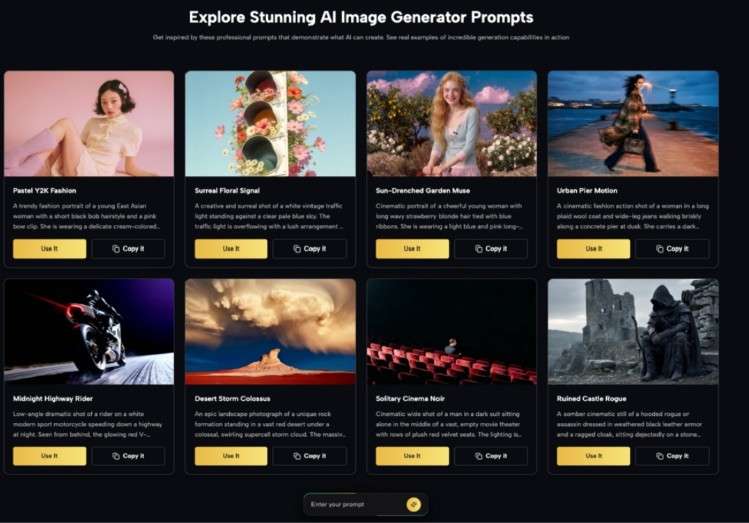
This is where Banana AI Image Generator becomes especially useful in production planning. It is not only about image creation; it is about setting the visual rules that later scenes can follow.
3. It supports better source material for the next stage
The output quality on Kimg AI goes up to 4K4K4K. That is strong enough for high-resolution keyframes, teaser visuals, promo art, thumbnails, and clean edit-ready assets.
Just as important, there is no misleading 16K16K16K promise to distort expectations. Clear specs make production planning easier.
VI. Think of It as an Image Toolset, Not a Single Model
1. Banana AI is a model family, not one fixed option
Treating Banana AI as one single model misses the real advantage. Inside Kimg AI, it is better understood as a grouped visual toolset that includes Nano Banana, Nano Banana Pro, and Nano Banana 2.
That model range gives creators different levels of reference depth depending on the job.
2. Different film tasks call for different versions
A proof-of-concept scene does not need the same setup as a continuity-heavy short. A quick mood board may only need the base version, while a branded character sequence may benefit from Pro or Nano Banana 2.
That flexibility is the reason the workflow feels practical rather than rigid.
3. Search terms may differ, but the production goal is the same
Some users look up Banana AI Image Generator when they want first-pass creation. Others search Banana AI Image Editor when the real need is reference-guided adjustment and continuity control.
The wording changes, but the production problem stays the same: the film needs visuals that remain believable from shot to shot.
VII. Step Three: Finish the Film with CapCut or ElevenLabs
1. CapCut gives the piece pace and polish
After the key visuals are ready, the editing stage closes the gap between raw assets and an actual short film. CapCut is a practical choice for arranging shots, adding transitions, placing text, and tightening timing.
This is where the film starts to feel complete rather than assembled.
2. ElevenLabs adds a voice that carries emotion
A clean visual sequence still needs sound to land emotionally. ElevenLabs can provide voiceover that adds mood, tension, or narrative clarity without forcing the visuals to explain everything alone.
For short-form storytelling, that extra layer can make a huge difference.
3. The full loop works because each tool does one job well
The strongest workflow is simple. ChatGPT or Claude handles structure. Banana AI inside Kimg AI handles visual lock. CapCut and ElevenLabs handle finish.
That division of labor is what creates a true closed loop. Script, image, and final cut support one another instead of competing for the same task.
Conclusion
A memorable AI short film is rarely the result of one miraculous tool. It comes from choosing the right tool for the right stage. Text models are excellent at building the skeleton. Editing tools are excellent at shaping the final experience. But the heart of the workflow sits in the middle, where image consistency decides whether the story holds together.
That is why Banana AI matters. Inside Kimg AI, the Nano Banana model family gives creators a practical way to lock visual identity before moving into the final production stage. For anyone trying to make an AI short film that feels coherent instead of stitched together, that middle step is not optional.