Joint pain caused by arthritis, injury, or age-related wear can significantly affect mobility and quality of life. When conservative treatments such as medication, physiotherapy, or lifestyle modifications no longer provide relief, joint replacement surgery may be recommended.
In recent years, robotic joint replacement surgery has emerged as an advanced alternative to traditional knee or hip replacement procedures. Patients often wonder whether robotic-assisted surgery is truly better than conventional methods. Understanding the differences between these approaches can help individuals make informed treatment decisions.
Consulting specialists at a reputed Joint Replacement Hospital in Bangalore can help determine the most suitable treatment approach based on individual health conditions and lifestyle needs.
Understanding traditional knee and hip replacement surgery
Traditional joint replacement surgery has been performed successfully for decades and remains a trusted treatment for severe joint damage. In this procedure, the orthopaedic surgeon removes damaged cartilage and bone and replaces them with artificial components made of metal, ceramic, or durable plastic.
It is commonly recommended for conditions such as osteoarthritis, rheumatoid arthritis, post-traumatic arthritis, severe joint injuries, and degenerative joint disease.
The primary goal of traditional joint replacement is to relieve pain, restore mobility, and improve joint function. Many patients experience significant improvement in their ability to perform daily activities after recovery.
What is robotic joint replacement surgery?
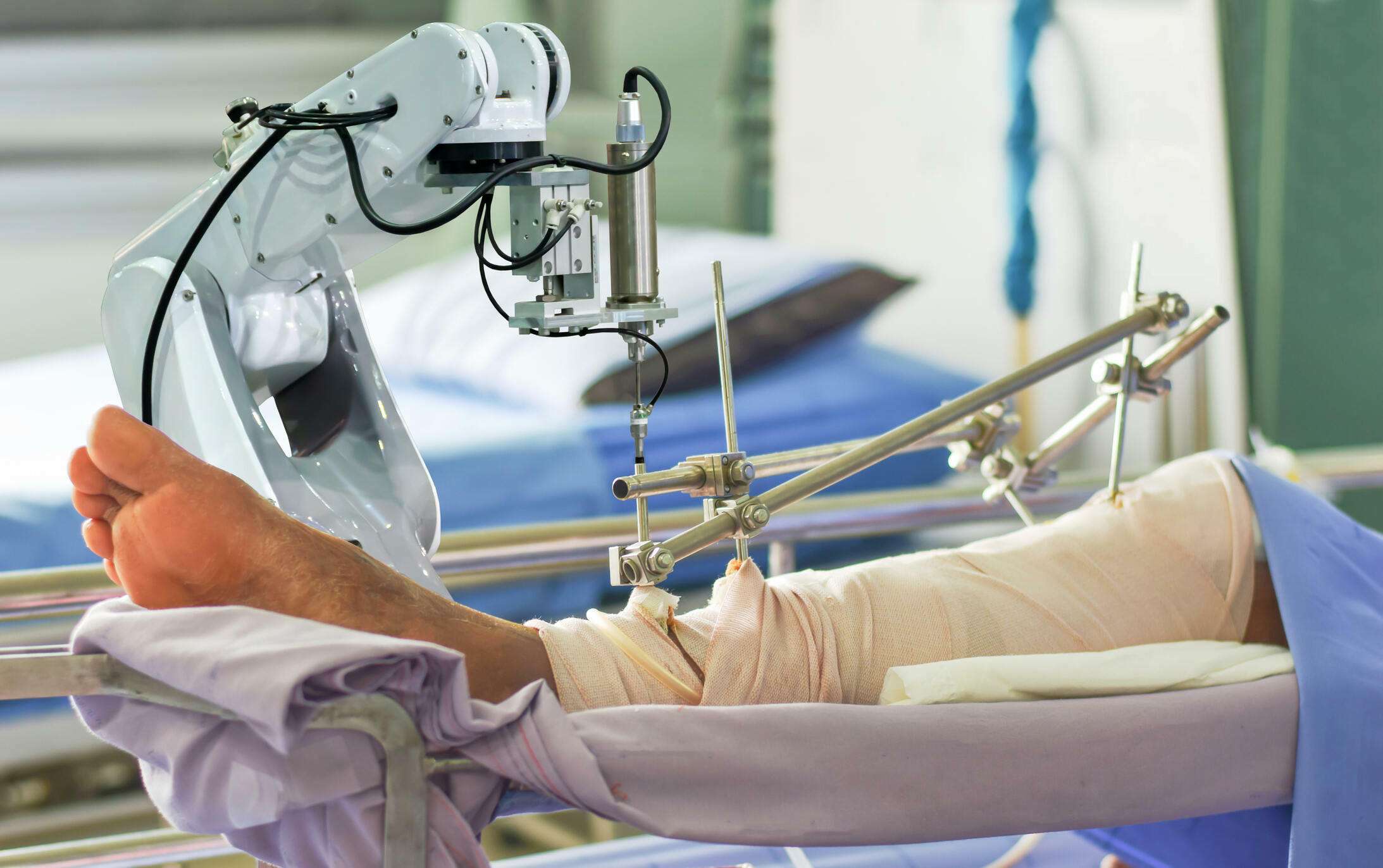
Robotic joint replacement surgery is an advanced technique that uses robotic-assisted technology to enhance surgical precision. Importantly, the robot does not perform the surgery independently. Instead, it assists the surgeon by providing detailed 3D imaging and real-time guidance.
Before surgery, imaging scans are used to create a personalised surgical plan based on the patient’s anatomy. During the procedure, the robotic system helps the surgeon position the implant with high accuracy, potentially improving alignment and joint balance.
Patients often explore treatment options at a trusted Multispeciality Hospital in Bangalore where advanced orthopaedic care is supported by modern infrastructure and experienced specialists.
Key differences between robotic and traditional joint replacement
Surgical precision
Robotic-assisted surgery offers enhanced accuracy in implant positioning. Improved alignment may contribute to better joint function and longevity.
Personalised planning
Robotic systems allow customised surgical planning tailored to the patient’s anatomy. Traditional surgery relies on manual techniques, which remain effective but less individualised.
Tissue preservation
Robotic techniques may allow more precise bone preparation and reduced impact on surrounding tissues. This can support improved recovery in some patients.
Recovery experience
Some patients undergoing robotic surgery report faster recovery and less discomfort. However, recovery varies depending on overall health, age, and adherence to rehabilitation.
Suitability
Both approaches are safe and effective. The choice depends on the severity of joint damage, patient-specific factors, and the surgeon’s clinical judgement.
Benefits of robotic joint replacement surgery
Robotic-assisted procedures are gaining popularity due to several potential advantages. These include improved implant positioning, better joint alignment, and more personalised surgical planning.
Additionally, reduced tissue disruption may lead to less postoperative discomfort and quicker rehabilitation in some cases. However, it is important to note that outcomes still depend largely on the surgeon’s expertise and the patient’s condition.
When is traditional joint replacement still recommended?
Despite advancements in robotic technology, traditional joint replacement surgery remains highly effective and widely used. It is often recommended when joint damage is extensive or when the condition does not require robotic assistance.
Traditional methods are also suitable for complex anatomical variations or when proven conventional techniques provide reliable outcomes. An experienced orthopaedic specialist carefully evaluates each case before recommending the appropriate approach.
Factors to consider before choosing a surgical method
Choosing between robotic and traditional joint replacement involves several considerations. These include the severity of joint damage, age, activity level, overall health, and recovery expectations.
Additionally, the availability of robotic technology and the surgeon’s experience are important factors. Discussing these factors with a qualified orthopaedic surgeon helps ensure a personalised treatment plan.
Recovery and rehabilitation after joint replacement
Recovery is a crucial part of the joint replacement process. Regardless of the technique used, proper rehabilitation is essential for restoring strength, flexibility, and joint function.
Recovery typically involves early physiotherapy, gradual improvement in mobility, pain management, and regular follow-up consultations. Adhering to medical advice and maintaining an active rehabilitation routine can significantly improve long-term outcomes.
Conclusion
Robotic joint replacement surgery represents a significant advancement in orthopaedic care, offering improved precision and personalised treatment planning. However, traditional knee and hip replacement procedures continue to deliver reliable, successful outcomes for many patients.
The choice between robotic and traditional surgery depends on individual health conditions, the complexity of joint damage, and the surgeon’s expertise. With appropriate guidance and timely intervention, joint replacement surgery can effectively reduce pain, restore mobility, and enhance overall quality of life.