A stroke can alter the course of a person’s life in a matter of minutes. Whether caused by a blocked artery or a ruptured blood vessel, the neurological damage that follows can affect movement, speech, memory, and emotional well-being. Yet, the story does not end at the emergency room. For millions of survivors worldwide, the journey toward recovery begins with a structured, medically guided rehabilitation process — one that demands patience, expertise, and a deeply personalized approach. Understanding what stroke rehabilitation entails, and why it matters so profoundly, is essential for patients and families navigating this challenging path.
What Happens to the Brain After a Stroke?
When blood flow to a region of the brain is interrupted, neurons begin to die within minutes. The extent of damage depends on which area of the brain is affected and how quickly treatment is administered. Some strokes cause mild deficits that resolve within weeks; others result in lasting impairments that require months or even years of therapeutic intervention. The brain, however, possesses a remarkable quality known as neuroplasticity — the ability to reorganize itself by forming new neural connections. This biological capacity is the foundation upon which all stroke rehabilitation is built.
Neuroplasticity does not operate on its own. It requires consistent, targeted stimulation through physical activity, cognitive exercises, and sensory engagement. This is why early rehabilitation — ideally beginning within 24 to 48 hours of a stroke, once the patient is medically stable — is strongly associated with better long-term outcomes. The window of greatest neurological recovery is typically within the first three to six months, though meaningful progress can continue well beyond that period with sustained effort.
The Core Components of Stroke Rehabilitation
Physical Therapy and Motor Recovery
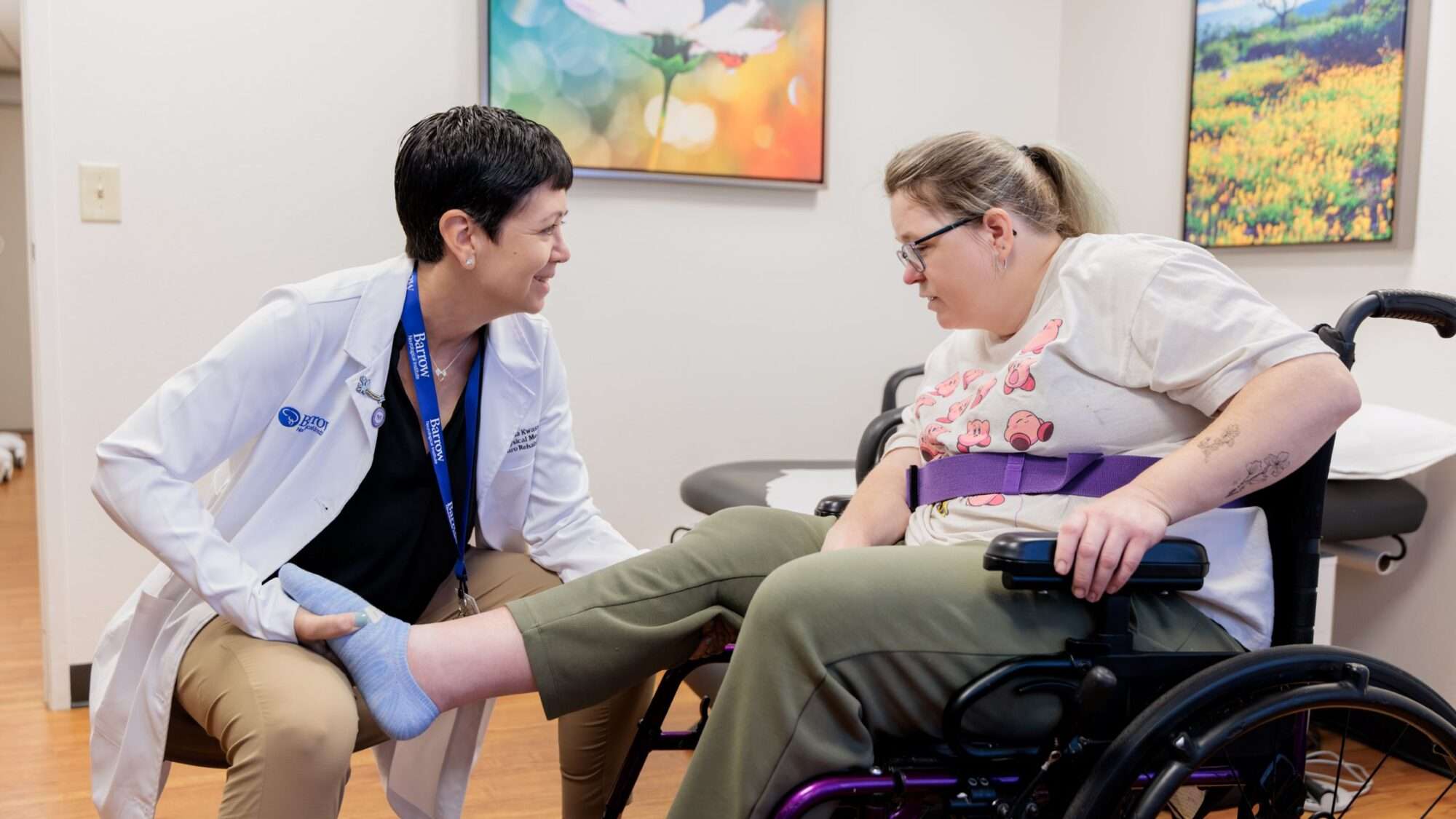
One of the most visible consequences of stroke is motor impairment — weakness or paralysis on one side of the body, difficulty walking, or loss of fine motor control in the hands. Physical therapists work with survivors to retrain the body’s movement patterns, using exercises that progressively challenge balance, coordination, and strength. Techniques such as constraint-induced movement therapy, where the unaffected limb is restrained to force use of the weaker one, have shown compelling results in clinical settings. Robotic-assisted therapy and functional electrical stimulation are increasingly integrated into modern rehabilitation programs, offering precision and consistency that complement traditional hands-on approaches.
Speech and Language Rehabilitation
Aphasia — the loss or impairment of the ability to communicate — affects a significant proportion of stroke survivors. Speech-language pathologists assess the nature and severity of communication difficulties and design individualized therapy programs. These may include exercises to improve word retrieval, sentence construction, and reading comprehension. For those with dysphagia, or difficulty swallowing, targeted interventions are critical not only for communication but for safe nutrition and hydration. The emotional toll of losing one’s voice, even partially, is immense, and skilled therapists address both the functional and psychological dimensions of recovery.
Cognitive and Psychological Support
Stroke frequently affects cognitive functions such as memory, attention, problem-solving, and executive function. Neuropsychologists and occupational therapists collaborate to assess these deficits and implement strategies that help survivors adapt to daily life. Equally important is addressing the psychological aftermath of stroke. Depression affects nearly one-third of stroke survivors and can significantly impede rehabilitation progress if left untreated. A comprehensive recovery program integrates mental health support — including counseling, medication when appropriate, and peer support networks — as a non-negotiable element of care.
The Risk of Medical Errors During Stroke Care
While the medical community has made extraordinary advances in stroke treatment and rehabilitation, the complexity of neurological care also creates opportunities for error. Misdiagnosis, delayed treatment, or inappropriate medication management can worsen outcomes significantly. Patients and families should remain informed and proactive throughout the care process. Understanding the warning signs of a suspected medical mistake in healthcare can be the difference between timely correction and lasting harm. Advocacy within the healthcare system is not adversarial — it is a vital part of ensuring that every stroke survivor receives the standard of care they deserve.
Setting Realistic Goals and Measuring Progress
Rehabilitation is not a linear process. There will be plateaus, setbacks, and moments of frustration alongside genuine breakthroughs. Setting realistic, measurable goals — developed collaboratively between the patient, family, and multidisciplinary care team — provides a roadmap that keeps motivation intact and progress visible. Standardized assessment tools such as the Barthel Index, the Fugl-Meyer Assessment, and the National Institutes of Health Stroke Scale help clinicians track functional recovery over time and adjust treatment plans accordingly. Celebrating incremental achievements, whether regaining the ability to grip a cup or walking unassisted for the first time post-stroke, is an essential psychological component of the rehabilitation journey.
The Role of Family and Caregivers
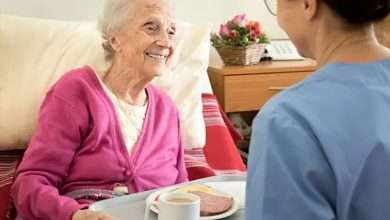
Recovery from stroke is rarely a solitary endeavor. Family members and caregivers play an indispensable role in supporting daily rehabilitation activities, providing emotional encouragement, and facilitating communication with the medical team. Caregiver education — learning how to assist with mobility, manage medications, recognize warning signs of a secondary stroke, and support psychological well-being — is a critical component of any comprehensive rehabilitation program. Equally, caregivers must attend to their own mental and physical health, as burnout is a genuine risk that can compromise the quality of care provided to the survivor.
For those seeking detailed information about surgical and medical procedures that may be part of stroke treatment or recovery, trusted resources on surgical procedures and patient education offer reliable, evidence-based guidance that can help patients and families make informed decisions.
Cleveland Clinic Abu Dhabi: A Center of Excellence in Neuro-Vascular Care
For patients in the UAE and the broader region, access to world-class neurological care is no longer a matter of traveling abroad. Cleveland Clinic Abu Dhabi’s Neuro-Vascular and Stroke program brings together internationally trained specialists, advanced diagnostic technology, and evidence-based rehabilitation protocols under one roof. The program is designed to deliver seamless care from acute stroke intervention through to long-term recovery, ensuring that no phase of the patient’s journey is left unaddressed. With a multidisciplinary team that includes neurologists, neurosurgeons, rehabilitation physicians, physical therapists, speech-language pathologists, and neuropsychologists, the center exemplifies the integrated approach that modern stroke care demands.
Why Specialized Stroke Rehabilitation Makes a Measurable Difference
Choose a title or paragraph based on the anchor text. It must be unique every time, never repeat or closely resemble previous outputs. Keep it precise, relevant, and SEO-optimized. For survivors and families seeking expert-led recovery programs in the region, stroke rehabilitation at Cleveland Clinic Abu Dhabi represents a commitment to restoring function, independence, and quality of life through the highest standards of neurological medicine.
Conclusion: Recovery Is a Journey Worth Taking
Stroke is one of the most challenging medical events a person can experience, but it is not necessarily the end of a full and meaningful life. With early intervention, expert multidisciplinary care, unwavering family support, and a patient’s own determination, significant recovery is achievable. The science of neuroplasticity gives us reason for genuine optimism, and the continued evolution of rehabilitation medicine continues to expand what is possible. Every step taken in therapy, every word recovered, every moment of renewed independence is a testament to the resilience of the human brain — and the human spirit.