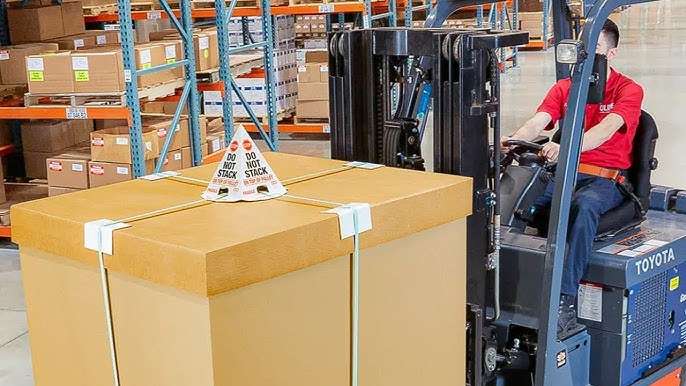
Freight damage drains money, time, and trust. You pack a shipment, load the truck, and hope it arrives in one piece. Then you see crushed boxes, broken parts, and angry customers. You can stop that. You prevent most freight damage long before the driver shuts the trailer doors. You do it with careful packing, clear labels, good carrier choices, and simple habits that your team follows every day. You do not need new gadgets or complex tools. You need clear steps and the discipline to use them. This guide shows you how to control risk at the dock, in the trailer, and on the road. It also explains how the advantages of ltl shipping can reduce damage if you plan the right way. You can protect your freight, protect your budget, and protect your reputation before anything moves.
Know what causes freight damage
You reduce damage when you understand what hurts freight most. Common causes include:
- Poor packing or weak boxes
- Overloaded pallets or uneven weight
- Loose loads that shift during transit
- Moisture, heat, or cold
- Rushed loading and unsafe forklift use
The Federal Motor Carrier Safety Administration explains that cargo must be packed and secured so it does not move during normal driving, turning, or braking. You can read their cargo securement rules at FMCSA cargo securement rules. These rules protect freight and people on the road.
Choose strong packaging every time
Good packaging is your first shield. Weak boxes invite damage. You can follow three basic steps.
- Use the right box strength. Pick boxes rated for the weight you ship.
- Fill empty space. Use inserts, foam, or pads so items do not rattle.
- Seal the box. Use strong tape on all seams and edges.
For fragile items, use double boxes. Inner box for the item and padding. Outer box for impact. Leave space between boxes and fill it with padding. You reduce shock and drop damage with this simple method.
Build safer pallets
Bad pallet builds cause many losses. You can build safer pallets with three rules.
- Keep weight low and centered. Put heavy items on the bottom and lighter ones on top.
- Do not let boxes hang over the edge. Overhang leads to crushed corners.
- Use stretch wrap and corner boards. Wrap tightly from the bottom up and protect edges.
Use good pallets with no broken boards or loose nails. A damaged pallet fails under stress and takes your freight with it.
Use clear labels and simple documents
Clear labels prevent mix ups and rough handling. You can:
- Place labels on the side of boxes, not on top
- Use “This Side Up” and “Fragile” only when true
- Include full address and contact details
Match labels with your bill of lading. When documents and labels match, carriers handle freight with fewer delays and fewer mistakes.
Plan for Less Than Truckload and full truckload
Different freight types face different risks. You can use this simple comparison to plan.
| Shipment type | Typical handling | Damage risk | Best use
|
|---|---|---|---|
| LTL (Less Than Truckload) | Multiple transfers through terminals | Higher if freight is loose or poorly packed | Smaller loads that can be well palletized |
| Full Truckload (FTL) | Loaded once and sealed | Lower if loaded and blocked well | Large, uniform loads or fragile freight |
For LTL, palletizing is key. You reduce damage when every piece is on a sturdy pallet and wrapped tight. For truckload, focus on blocking and bracing inside the trailer so freight cannot roll or slide.
Load and secure freight with care
Most damage happens during loading and unloading. You can cut this risk with three habits.
- Train forklift operators to move slow and keep forks level.
- Use load bars, straps, and chocks to stop movement.
- Do quick checks before the trailer leaves. Look for loose pallets or gaps.
The U.S. Department of Transportation stresses that cargo must stay secured during normal driving. You can see more cargo safety guidance at U.S. DOT regulations. These rules support safe roads and safer freight.
Protect freight from weather and moisture
Water and temperature swings damage freight that looks fine on the outside. You can:
- Use shrink wrap and top sheets to keep water off pallets
- Store freight indoors until loading
- Use desiccant packs or liners for moisture sensitive goods
For heat or cold sensitive goods, use insulated blankets or temperature controlled service when needed. State clear limits on your paperwork so carriers know what to expect.
Set simple routines for your team
Good habits prevent damage more than any product. You can build three daily routines.
- Pre load checks. Inspect boxes, pallets, and labels before loading.
- Load checks. Watch spacing, weight balance, and securement.
- Post load sign off. Use a quick checklist before the driver leaves.
Keep the checklist short so people use it. Focus on box strength, pallet quality, wrap, labels, and securement. When every load passes the same checks, damage drops and stays low.
Track problems and fix the cause
Finally, treat damage reports as signals. Each claim tells you where your system failed. You can:
- Record what broke, how it was packed, and which carrier moved it
- Look for patterns in products, routes, or loading shifts
- Change packing, carrier choice, or training based on those patterns
When you respond to each pattern with one clear change, you protect every future shipment. You save money, reduce stress, and keep customers calm. You also give your team pride in work that arrives safe and whole.