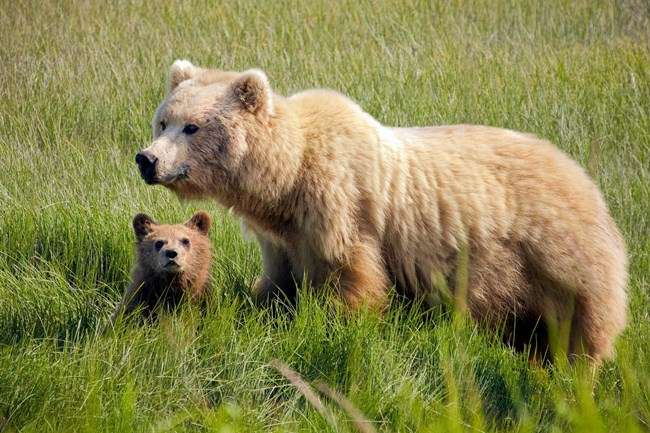
You might picture a brown bear as a huge shadow in the trees, but how tall is it really when it stands up? Height matters. It shapes how you stay safe on trails, how you read tracks, and how you teach children about wild places. This guide gives you clear numbers, simple comparisons, and real examples from parks and places like Yellowstone Bear World. You will see how tall a brown bear is on all fours, how high it reaches when it stands, and how that compares to your own height. You will also learn why a standing bear does not always mean an attack. Instead it might mean the bear is curious or trying to catch a scent. By the end, you can picture a brown bear with sharp clarity and carry that picture with you any time you step into bear country.
Basic brown bear height facts
Brown bears include coastal brown bears and inland grizzly bears. They share the same species. Size changes with food and habitat. Height is only one piece. Weight and shoulder width matter too. Yet height is what you notice first.
Here are typical height ranges for adult brown bears:
- On all fours: about 3 to 5 feet at the shoulder
- Standing upright: about 6 to 9 feet from feet to nose
Young bears stand shorter. A two year old may reach the height of a tall child. A large coastal male can tower over a doorway. You do not need exact inches to stay safe. You do need a clear sense that a brown bear can stand much taller than you.
Brown bear height compared to people
You can picture height better when you compare it to your own body. Think about a door in your home. A standard door is about 6.5 feet tall. Many adult brown bears can match or pass that height when they stand.
Typical Brown Bear Height Compared to People
| Type | On all fours | Standing upright | Simple comparison
|
|---|---|---|---|
| Average adult person | Not applicable | 5 to 6 feet | Top of head near door frame |
| Adult female brown bear | 3 to 3.5 feet | 6 to 7 feet | As tall or taller than most adults |
| Adult male brown bear | 3.5 to 5 feet | 7 to 9 feet | Taller than a door. Can tower over most people |
| Very large coastal male | About 5 feet | Up to about 10 feet | As tall as a small basketball hoop |
These numbers come from park biologists and long term studies. For example, the National Park Service at Katmai National Park reports some large males can reach nearly 10 feet tall when standing.
Why brown bears stand up
A standing bear can feel shocking. Your body may tense. Your heart may pound. That reaction is normal. Yet a tall posture does not always mean a charge.
Bears often stand to:
- Smell something better
- See over brush or tall grass
- Study a sound or movement
You might see a bear rise, sniff, look around, then drop back onto all fours and walk away. The height then is a sign of curiosity, not a plan to attack.
A true threat often looks different. The bear may lower its head. It may huff, snap its jaws, or swat the ground. The body may move fast in short bursts. Height is only one clue. Body language and distance matter more.
How height changes with age and sex
Not every brown bear reaches huge size. Many stay closer to human height. You can think about brown bear growth in three stages.
- Cubs. Less than 2 feet tall on all fours. Similar to a small dog
- Subadults. About 2 to 3 feet at the shoulder. Often lean and long legged
- Adults. Over 3 feet at the shoulder. Thick neck and broad shoulders
Males often grow taller than females. They also grow heavier. A male that stands 8 feet tall may weigh twice as much as a female that stands 6.5 feet. This size gap helps you tell them apart from a distance.
Brown bears, black bears, and size myths
People often mix up brown bears and black bears. Color does not help. Black bears can appear brown. Brown bears can appear dark. Height and shape give better clues.
Typical adult black bear height:
- On all fours. About 2 to 3 feet at the shoulder
- Standing. About 5 to 7 feet tall
Brown bears stand taller and look broader. They have a hump of muscle over the shoulders that raises their back. Their face slopes. Their claws grow longer.
The U.S. Fish and Wildlife Service explains these differences in plain terms. You can use them to tell which bear you see. When you know which species you face, you can choose the right safety steps.
Why brown bear height matters for your safety
Height shapes how you respond when you meet a bear. It affects how you carry yourself, how you hold your gear, and how you explain bear safety to children.
Keep three points in mind.
- Never try to match a bear by standing taller
- Always give a bear space that fits its full height and more
- Always carry bear spray where bears live
First, do not raise your hands or climb on a rock to look larger. A brown bear already stands taller. Your goal is not to compete. Your goal is to look calm and nonthreatening.
Second, remember that a bear that stands 8 feet tall can reach much farther with its paws than you expect. Distance on a map or trail sign may feel cold. Distance in front of a tall animal feels different. Give the bear room to move away.
Third, carry bear spray and know how to use it. Height and speed together make a charge hard to face. Bear spray can create a cloud between you and the bear. You gain a few extra seconds that matter.
Teaching children about brown bear size
Children often feel fear when they hear how tall a brown bear can be. You can turn that fear into respect.
Try three simple steps.
- Compare the bear to a door, a car, or a basketball hoop
- Show pictures from parks or trusted sites
- Practice what to do if you see a bear on a trail
When children can picture a bear at a door height or near a car, the animal feels real, not like a monster. You can stress that most bears want to avoid people. You can explain that height helps a bear find food and protect cubs.
With clear facts, you and your family can step into bear country with respect, caution, and steady nerves. Height becomes one more piece of knowledge that keeps you safe and grounded.