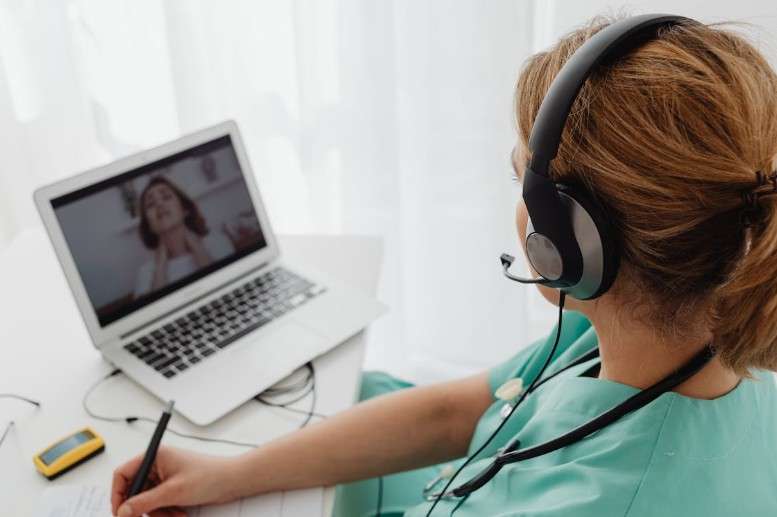
Struggling to find time for therapy? You’re not alone.
Teletherapy has surged in popularity in recent years — revolutionizing millions of lives. From anxiety and depression to just having someone to talk to, remote care options are more accessible than ever.
Here’s the thing…
You don’t have to wait in reception areas, battle traffic, or completely reshuffle your schedule to meet with a therapist. Care comes to you — whenever works for you.
What you’ll uncover:
- What Is Remote Mental Health Treatment?
- Why More People Are Choosing It
- What Happens During a Session
- Who Is It Right For?
- Is Remote Care Actually Effective?
- How To Get Started Today
What Is Remote Mental Health Treatment?
Telepsychiatry is psychiatric service provided remotely using electronic communications technology.
This can include:
- Video calls with a licensed therapist or psychiatrist
- Phone-based counseling sessions
- Text and messaging therapy platforms
- Online psychiatric evaluations and medication management
Thanks to telehealth mental health services, it’s now possible to access fully qualified professionals from the comfort of your own home (or office!). Remote mental health services range from talk therapy for daily life stressors all the way to complete psychiatric evaluations — no commute or waiting room required.
Consider. You don’t have to live near a specialist to see one anymore.
That changes everything for a lot of people.
Why More People Are Choosing Remote Mental Health Treatment
The numbers don’t lie.
58% of telehealth visits in 2023 were due to mental health needs. That’s not a subtle change. That’s a major one. And it totally makes sense if you think about why people are switching.
The biggest barriers to getting mental health support have always been the same:
- Time — therapy appointments eat into work schedules, childcare, and daily routines
- Location — not everyone lives near a good provider
- Stigma — embarrassed to walk into clinic
- Cost — when you include travel expenses and lost work time it can add up quicker than you think
Remote mental health treatment eliminates most of these problems in one shot.
55% of all mental health appointments are now virtual. This is not a pandemic-era blip. Remote care is how most people are receiving services now — and the trend is growing.
Accessibility plays a big role in this narrative as well. Approximately 65% of rural counties in the United States don’t have a practicing psychiatrist. Telehealth fills that need in a way brick-and-mortar care can’t. If you live hours away from the nearest specialist, receiving remote mental health care isn’t just convenient, it’s your only option.
What Happens During a Remote Mental Health Session?
This is where most first-timers get confused.
Sessions are similar to an in-person visit, minus the travel. The biggest change is that the therapist will be on a screen.
Here’s how it typically works:
- Book an appointment through a provider’s online portal
- Receive a secure link or dial-in number ahead of your session
- Join the video or phone call at the scheduled time
- Your therapist or psychiatrist conducts the session as normal
- Follow-up notes and prescriptions (where applicable) are handled digitally
Most legitimate sites are HIPPA compliant so your info will remain 100% private. Most sessions are 45–60 minutes therapy, less time for psychiatry check-ins.
Pretty simple, right?
Video calls are far and away the most popular. There’s a reason for that. Actually seeing someone, even via a screen, can seriously help build trust with a provider. Don’t discount that factor.
Who Is Remote Mental Health Treatment Right For?
The honest answer? Most people.
Remote care works well for a wide range of conditions including:
- Anxiety disorders (the single most common telehealth mental health diagnosis)
- Depression
- PTSD and trauma-related conditions
- ADHD
- Adjustment and mood disorders
Almost 1 in 4 American adults live with a diagnosable mental health issue each year. Telepsychiatry provides these individuals with a convenient way to seek help — one that removes many of the obstacles that otherwise prevent people from seeking help at all.
Of course, virtual care isn’t right for everyone. If someone is going through an acute psychiatric crisis, is actively psychotic, or needs intensive inpatient level care, they’ll likely be better suited for traditional in-person treatment. Quality providers should be filtering for this right away.
Is Remote Mental Health Treatment Actually Effective?
This is the big question everyone asks before committing.
And the short answer is yes — the research consistently backs it up.
More than 86% of teletherapy consumers report having a positive experience with virtual care. That statistic speaks for itself. Mental health outcomes for depression, anxiety, PTSD, and more have demonstrated powerful, similar effects when treated with online therapy.
Quality of care isn’t determined by whether care takes place in an office or on a screen. It’s determined by the competency of the provider and the involvement of the patient.
The misconception that remote care isn’t “real” care — that it’s not as effective as sitting on a therapist’s couch in their office — has been soundly debunked.
How To Get Started With Remote Mental Health Treatment
Getting started is simpler than most people expect.
Here’s exactly what to do:
- Identify what you need — therapy, psychiatry, medication management, or a combination
- Check your insurance — most major providers now cover remote mental health treatment
- Research a reputable provider — always verify credentials and licensing before booking
- Book a first session — many platforms offer same-week availability
- Commit to showing up — First session is always the biggest hurdle to jump
One more thing worth knowing…
Telepsychiatry can be used effectively for maintenance and prevention, just like regular psychiatric care. Use it like your wellness visit, not your deterioration visit.
The Bottom Line On Remote Mental Health Care
Telepsychiatry isn’t second-best. For millions, it’s better.
Online therapy eliminates the scheduling, financial and geographical obstacles that have traditionally excluded so many from getting help. It’s dependable technology. It yields powerful results. And clients keep coming back because it works.
Something has been stopping you from taking that first step towards getting mental health help…
Remote care might just make that step a whole lot easier.