Before you commit to purchasing a Class C motorhome, you should understand what specific features and conditions warrant your attention during the buying process. Class C motorhomes occupy a middle ground in the recreational vehicle market, offering more space than a Class B van but requiring less fuel and maintenance than a Class A model. Making an informed decision involves evaluating several critical components that directly affect safety, comfort, and long-term value. This guide walks you through the essential checkpoints that every prospective buyer should address before finalizing a purchase. By examining these areas systematically, you can avoid costly surprises and ensure that your chosen motorhome meets your actual needs and expectations.
1. Inspect the Engine and Mechanical Systems
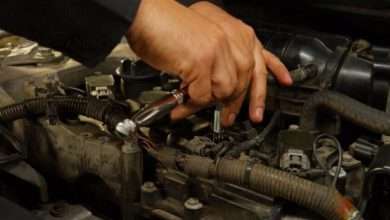
The engine is the heart of your motorhome, and its condition determines whether you will enjoy reliable travels or face repeated breakdowns. You should request a complete maintenance history from the seller and verify that all scheduled services have been completed on time. Have a qualified mechanic perform a thorough pre-purchase inspection, checking fluid levels, hose conditions, battery health, and transmission function. Pay special attention to the mileage and ask yourself whether the recorded miles align with the motorhome’s age and apparent wear. Listen carefully when the engine starts and runs, noting any unusual sounds like grinding or knocking that might indicate internal problems.
2. Examine the Plumbing and Water Systems
Water systems in motorhomes are complex and can be expensive to repair if problems develop after purchase. You should test all faucets, showers, and toilets to confirm they function properly and that water pressure is adequate throughout the unit. Check the freshwater tank, greywater tank, and blackwater tank for leaks, cracks, or corrosion that would compromise their integrity. Ask the seller about the last time the tanks were inspected and whether any repairs or replacements have been made. Inspect the pipes and connections underneath the motorhome for signs of water damage or mold, which indicate existing or previous leaks. If the motorhome has been stored for an extended period, run water through all systems for several minutes to clear any debris or stagnation.
3. Assess the Electrical System and Batteries
Your motorhome’s electrical system powers everything from lighting to appliances, making it necessary to verify that it operates safely and efficiently. Test all lights, outlets, and switches to confirm they work without flickering or showing signs of electrical problems. Examine the battery bank and ask about its age, capacity, and maintenance history, since batteries are a significant expense to replace. Check that the charging system properly replenishes the batteries when the motorhome is plugged into shore power or running the engine. Look for any signs of corrosion on battery terminals or loose connections that could cause intermittent power issues. Buyers who are actively shopping can browse class c motorhomes for sale in Perry Iowa to review detailed unit listings and compare electrical configurations and features before scheduling an in-person inspection.
4. Review the Structural Integrity and Roof Condition
Water damage is one of the most serious issues that can affect a motorhome’s value and livability, so checking the roof and exterior seals is essential. Walk around the entire motorhome and look for visible cracks, caulking gaps, or areas where the roof meets the walls and seams. Press firmly on the walls and ceiling from inside the motorhome to detect soft spots that indicate water intrusion or rot in the frame. Ask the seller directly about any history of leaks and request documentation of repairs that were made to address water damage. Examine the condition of windows and door seals, as these are common sources of water entry if they have deteriorated. If you notice any musty odors inside, this is often a sign that moisture has been trapped within the walls or flooring, requiring professional inspection.
5. Evaluate the Appliances and Climate Control
The refrigerator, stove, furnace, and air conditioning system must all function reliably to ensure comfortable living conditions during your travels. Run the refrigerator and verify that it maintains proper temperatures in both cooling and freezing compartments, and ask whether it operates on both propane and electric power. Test the stove burners and oven to confirm they ignite smoothly and heat evenly, and inspect the range hood to ensure it ventilates properly. Turn on the furnace and air conditioning to check that they produce heat and cold air respectively, and listen for any unusual noises during operation. Ask about the age of these appliances and whether any have been recently serviced or replaced. If the motorhome has a water heater, run hot water and confirm that it reaches appropriate temperatures within a reasonable time.
6. Check the Tires, Brakes, and Suspension
A motorhome’s tires and braking system directly impact your safety on the road, making thorough inspection non-negotiable before purchase. Examine all tires for even wear patterns, adequate tread depth, and any visible damage like cracks, bulges, or puncture repairs. Check the date code on each tire to determine its age, since motorhome tires should be replaced every five to seven years regardless of remaining tread. Have the brakes inspected by a technician to verify that they respond smoothly and that the brake fluid is clean and at the proper level. Test the suspension by pushing down on each corner of the motorhome and observing how quickly it rebounds, as a sluggish response indicates worn shocks or springs. Ask about recent maintenance on the frame and suspension components, since repairs to these systems can be costly if deferred.
Conclusion
Purchasing a Class C motorhome is a significant financial decision that requires careful evaluation of multiple systems and components. By systematically checking the engine, plumbing, electrical system, structural integrity, appliances, and mechanical components, you gain a comprehensive understanding of the motorhome’s true condition and remaining useful life. A thorough inspection process protects your investment and reduces the likelihood of unexpected repairs shortly after purchase. Consider hiring qualified professionals to inspect areas where you lack expertise, as their assessments provide objective information that supports your decision-making. Taking time to verify these six critical areas before finalizing your purchase helps ensure that you select a motorhome that will provide reliable service across many years of recreational use.