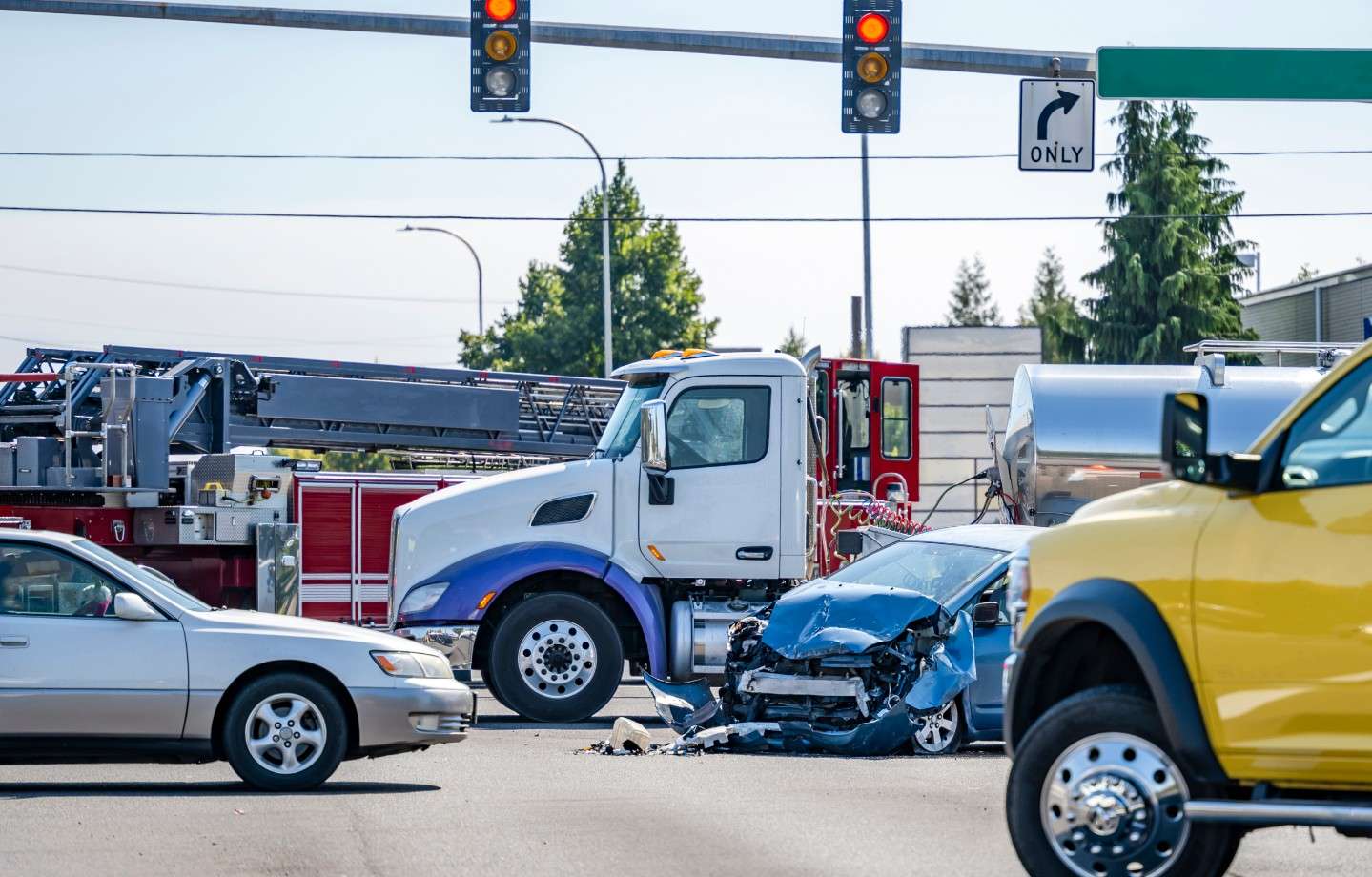
Truck accidents can be devastating, often resulting in serious injuries, property damage, and complex legal disputes. Unlike typical car accidents, collisions involving commercial trucks involve multiple parties, including drivers, trucking companies, maintenance providers, and sometimes cargo loaders. Because of the complexities involved, a thorough investigation is essential to determine liability and maximize recovery. Understanding what evidence to collect and how to document it can make a significant difference in the outcome of a claim.
Why Proper Investigation Matters
Truck accidents often result in severe physical injuries and substantial financial losses. The unique characteristics of large commercial trucks—size, weight, and specialized equipment—mean that accidents can be catastrophic, and liability is rarely straightforward. Trucking companies, insurers, and regulatory agencies often have resources to defend against claims, making a well-documented investigation critical for victims.
Collecting evidence immediately after an accident ensures that key details are preserved before they are lost or altered. This evidence can help establish fault, support injury claims, and provide a clear narrative of how the accident occurred.
Key Evidence to Collect After a Truck Accident
1. Photographs and Videos
Visual documentation is one of the most important pieces of evidence in any truck accident. Take photographs and videos of:
- The accident scene, including road conditions, traffic signals, signage, and skid marks.
- All vehicles involved, showing the extent of damage and positions after the collision.
- Injuries sustained, even if minor, to provide a record of harm.
- Debris, cargo, or other obstacles that may have contributed to the accident.
Photographs should be taken from multiple angles and distances to provide context. Video footage, if available, can capture details that still images may miss, such as traffic flow or environmental conditions.
2. Police Reports and Official Records
Police reports provide an authoritative account of the accident. They often include statements from drivers, witnesses, and law enforcement officers’ observations. Make sure to obtain a copy of the report, as it can be vital in establishing the sequence of events and initial determinations of fault.
Additionally, if the accident occurred on a commercial route, any inspection reports or citations issued at the scene may be relevant. These official documents are crucial for both legal proceedings and insurance negotiations.
3. Driver Information
Gathering detailed information about the truck driver is essential. This includes:
- Name, contact information, and license number.
- Employer or trucking company information.
- Insurance details, including policy numbers.
Commercial truck drivers are subject to regulations, and their employment records, training, and driving history can be relevant when establishing negligence or liability.
4. Witness Statements
Eyewitnesses can provide independent verification of how the accident occurred. Obtain contact information for anyone who saw the collision, including other drivers, pedestrians, or passengers. Ask witnesses to describe what they saw, paying attention to the positions and movements of the vehicles involved, as well as road conditions and traffic patterns.
Statements from witnesses can be particularly helpful when liability is contested or when drivers provide conflicting accounts of the accident.
5. Trucking Company Records
Trucking companies maintain extensive records related to their vehicles and drivers. Key documents to request include:
- Driver logs, including hours of service and rest periods.
- Vehicle maintenance and inspection records.
- GPS or telematics data showing the truck’s speed, route, and movements before the accident.
- Communication logs between the driver and company dispatch.
These records can help demonstrate violations of federal regulations, fatigue, or mechanical issues that may have contributed to the accident.
6. Medical Documentation
Accurate medical records are essential for proving the extent of injuries sustained in the accident. Seek immediate medical attention after a collision, and ensure that all diagnoses, treatments, and follow-up care are documented. Medical records provide a clear link between the accident and physical harm, supporting claims for compensation.
In addition to hospital records, keep receipts for medications, therapy sessions, and any medical equipment required during recovery.
7. Accident Reconstruction
In complex truck accidents, professional accident reconstruction may be necessary. Experts use evidence such as skid marks, vehicle damage, witness statements, and physical measurements to recreate the collision. Reconstruction can demonstrate how the accident occurred, identify contributing factors, and establish liability with a high degree of accuracy.
This type of analysis is particularly valuable when fault is disputed or when multiple parties are involved.
8. Environmental and Road Conditions
Documenting the surrounding environment and road conditions is critical. Take note of:
- Weather conditions at the time of the accident.
- Road surface conditions, including ice, rain, or debris.
- Visibility issues, such as glare, darkness, or obstructions.
- Traffic patterns, signals, and signage in the area.
Environmental factors may not always cause an accident alone, but they can contribute and affect liability determinations.
How Legal Guidance Helps
Truck accident claims often involve multiple parties and complex regulations, including federal trucking rules. Navigating these claims without professional assistance can be overwhelming. Consulting a truck accident lawyer ensures that all necessary evidence is collected, deadlines are met, and the claim is properly evaluated.
An experienced attorney can:
- Identify all potentially liable parties, including drivers, trucking companies, and maintenance contractors.
- Request and preserve critical records from the trucking company.
- Work with accident reconstruction experts to provide detailed analysis.
- Negotiate with insurance companies to secure fair compensation.
- Represent clients in court if a settlement cannot be reached.
Legal guidance is essential for maximizing recovery and ensuring that victims are not taken advantage of by insurers or corporate defendants.
Tips for Victims
While legal professionals handle much of the process, victims can take immediate steps to protect themselves:
- Always seek medical attention, even if injuries seem minor.
- Take photos and videos as soon as it is safe to do so.
- Collect driver and witness information at the scene.
- Preserve any damaged property or personal effects.
- Avoid making statements to trucking companies or insurers without legal guidance.
These steps help preserve crucial evidence and strengthen the case for compensation.
Moving Forward After a Truck Accident
Truck accidents can have life-changing consequences, from serious physical injuries to financial and emotional burdens. A thorough investigation is key to ensuring accountability and securing appropriate compensation. By collecting photographs, witness statements, medical documentation, and trucking company records, victims and their attorneys can build a strong foundation for their claims.
Working with a truck accident lawyer like this provides expertise, resources, and advocacy to navigate the complexities of commercial vehicle collisions. From initial evidence collection to negotiations or litigation, professional guidance helps ensure that victims receive fair compensation and that all responsible parties are held accountable.
Truck accidents are not just larger versions of car accidents—they involve distinct challenges, regulations, and legal considerations. Properly investigating the scene, documenting evidence, and engaging skilled legal support are critical steps in protecting your rights. By understanding what evidence is essential and how to preserve it, victims of truck accidents can take control of their recovery and pursue justice effectively.