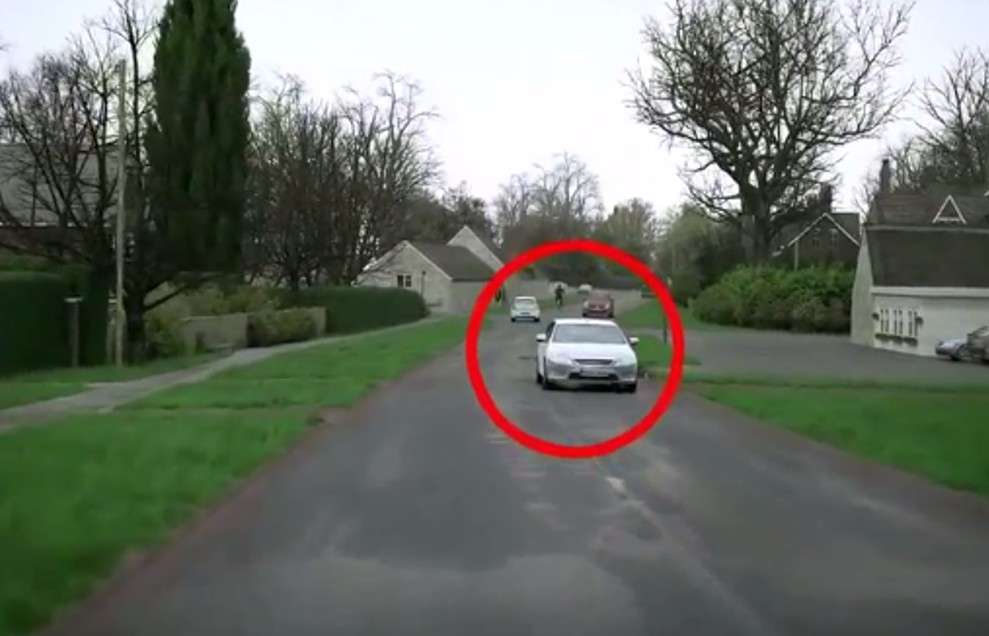
Learning to drive involves more than just operating a vehicle—it’s about understanding the environment, predicting potential dangers, and making quick, safe decisions. While the basics of driving can be taught through lessons and practice hours, truly becoming a safe driver takes more than just time behind the wheel. One key milestone in that journey is the Hazard Perception Test (HPT), a tool designed to measure and strengthen a driver’s ability to recognise and respond to risks before they escalate. Completing the hpt for license progression not only fulfills a legal requirement but also instills essential skills that support safer, more defensive driving habits from day one.
The HPT plays a vital role in building the mindset and habits of a defensive driver. Defensive driving is about taking a proactive approach to road safety: anticipating problems before they occur, maintaining situational awareness, and adjusting driving strategies accordingly. Let’s examine how the test helps drivers understand these concepts and gets them ready for the challenges of actual road conditions.
What Is Defensive Driving?
Defensive driving involves more than obeying traffic laws—it requires anticipating the actions of others, identifying potential hazards, and taking preventive steps to avoid collisions. A defensive driver doesn’t just react to danger; they actively look for signs of risk and take action early.
Key traits of a defensive driver include:
- Constant scanning of the road ahead, behind, and to the sides.
- Maintaining safe following distances.
- Adjusting speed to road, traffic, and weather conditions.
- Staying focused and free from distractions.
- Being ready for other drivers’ unforeseen actions.
These behaviours reduce the likelihood of accidents and make the road safer for everyone.
How The HPT Encourages Risk Awareness?
The hazard perception test helps drivers develop a critical skill: situational awareness. During the test, drivers are presented with video clips of real-life traffic scenarios. They are required to identify when a potential hazard begins to form—situations that would require slowing down, stopping, or changing direction.
This type of training forces drivers to shift from reactive to proactive thinking. Instead of waiting for something to happen, they learn to notice early warning signs—like a pedestrian near the curb, a car edging out of a driveway, or a cyclist swerving into a lane.
By sharpening this ability to anticipate and assess danger, the HPT aligns perfectly with the mindset of defensive driving.
Building Better Judgement
One of the most important aspects of being a defensive driver is knowing when to act. Responding too late can result in a crash while reacting too early can confuse other road users or lead to unnecessary braking.
The HPT challenges drivers to find that balance. It teaches them to judge the timing and severity of potential threats—should you slow down now or keep an eye on the situation a moment longer? This fine-tuning of judgement is a skill that improves with experience, and the test accelerates that learning curve in a controlled environment.
Encouraging Consistent Focus
Another key to defensive driving is remaining focused at all times. Distraction, even for a few seconds, can lead to missed hazards. The structure of the HPT rewards concentration, as hazards can emerge quickly and from unexpected places.
By practising for the test and taking it seriously, learners reinforce the habit of scanning for threats and staying mentally engaged—two pillars of safe driving that will serve them well beyond the exam.
Creating Safer Habits Early
Perhaps the greatest value of the HPT is its timing. It’s usually taken before or just after gaining provisional license status—right when drivers are building habits that will stay with them for years. Introducing the concept of hazard perception and defensive strategies at this early stage helps to embed those principles into daily driving routines.
By making drivers think critically about what could go wrong—not just what is happening—it encourages safer, more thoughtful decisions from the start.
Final Thoughts
The HPT exam is more than a requirement on the path to full licensing—it’s a powerful tool for shaping alert, responsible, and skilled drivers. Focusing on early hazard recognition, good judgment, and heightened awareness lays the foundation for defensive driving. For those aiming to stay safe behind the wheel—not just pass a test—it’s an essential step toward becoming a truly capable and mindful motorist.