Want a Healthy Smile for Life?
It’s not rocket science. But most people are doing it all wrong…
Brush twice a day. Floss now and then. Done.
Guess what?
It’s not working. Even if you think it is.
A solid dental care routine is the only way to avoid painful, expensive, and embarrassing problems with your teeth. A “one size fits all” approach just doesn’t work.
Take a look at these strategies for putting together an effective dental care routine that will work for YOU and last a lifetime.
Why Generic Dental Routines Fail
Here’s the deal…
“Brush, floss, rinse and repeat” won’t get you far. If you take a look at the dental care products that every single one of your relatives uses, you’ll quickly notice that they vary wildly.
Our teeth are like our fingerprints – unique. The routines we need for optimal dental health have to be, too.
A person with sensitive gums is going to have a very different approach from a person with weak enamel, for example. And of course if you have braces or crowns or some other dental work, you can’t just follow generic advice.
The sad truth is that dental care for most people is a real struggle. According to recent data, 34.1% of adults in the United States didn’t visit the dentist at all in the past year (yikes!). In other words, more than one in three people didn’t get any professional dental care at all.
Sure, you can buy all the toothpaste tubes and mouthwash bottles you want, but if you don’t have a dental care routine that fits your lifestyle, teeth, and needs, you’re doomed.
The Key To Safe, Reliable Dental Care
The fact is that you need to work with a team of pros to get your teeth in great shape. Safe, quality dental care is essential to preventing major problems before they start.
Working with a team of dentists, dental hygienists, and oral health experts that you know and trust means that you can be proactive with your dental care routine. Instead of just showing up to the dentist when you have a problem, you can make sure your care routine helps you avoid cavities, gum disease, and other common problems.
Building Your Morning Routine
Want to see the process?
Your morning routine will set the tone for the rest of your day.
Drink some water first thing when you wake up. Flush out your mouth. You should avoid brushing right away, because your mouth is naturally more acidic when you first wake up. Wait at least 30 minutes after brushing, or you run the risk of stripping your enamel.
Your brushing routine should be:
- Brush for at least 2 minutes (most people only do 45 seconds).
- Use circular motions instead of back-and-forth scrubbing.
- Don’t forget to brush your tongue.
- Angle your brush at 45 degrees to get along the gumline.
The more you practice, the easier and faster this routine becomes.
Evening Dental Care That Works
And this is where most people go wrong…
Your nighttime routine is actually MORE important than your morning routine. Bacteria and food particles have all night to sit on your teeth and rot if you don’t do a good job at the end of the day.
In fact, you should start with flossing before you brush. This loosens all the food particles and debris that’s trapped between your teeth, so then when you brush, it’s all easily swept away.
Your evening care routine is:
- Floss between every tooth
- Brush using your morning routine
- Use antimicrobial mouthwash to kill lingering bacteria
- If you have sensitive teeth, use fluoride gel at night
Time spent is more important than products used. Better to spend 2 minutes of solid brushing than 30 seconds with the fanciest toothbrush on the market.
The Right Tools For Your Teeth
Can you build a house with a toothpick?
Dental care routine is the same. You need the right tools, or you’ll struggle to keep up your care routine.
With hundreds of options out there, it’s hard to know which ones are really worth your time (and money). Here are the most important products you should have.
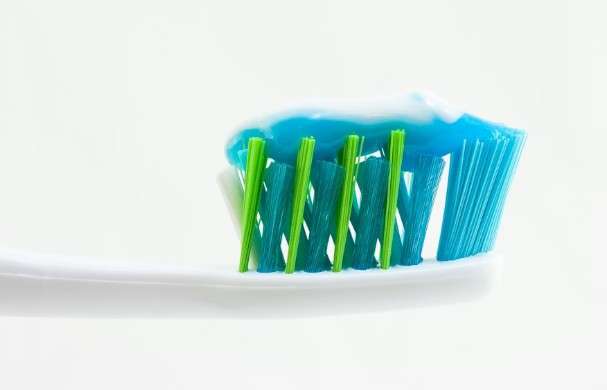
Toothbrushes: Get soft bristles and you’re golden. Electric brushes are a big help, but a manual brush will do the job if you focus on technique.
Toothpaste: Fluoride is your best friend when it comes to cavities. If you have sensitive teeth, look for a desensitizing variety. Use whitening sparingly – they can damage enamel.
Floss: Waxed floss tends to slide between teeth more easily. Hate traditional floss? Try floss picks or even a water flosser. The best floss is the kind you’ll actually use.
Mouthwash: Alcohol-free formulas are less drying on your mouth. Look for the ADA Seal of Acceptance.
Your secret weapon? Remember, you don’t need all of the above. Focus on the basics you can use consistently.
Making Professional Visits Count
Something few people talk about…
Seeing the dentist isn’t just for getting your teeth cleaned. Preventive dental care is all about identifying problems early so that you can take action and avoid a more expensive and serious problem later.
According to recent statistics, 46% of Americans admit to delaying or forgoing dental care because it’s too expensive. But here’s the key – preventive care is always cheaper than emergency care.
Regular visits to your dental professionals should be every six months. This will give them time to spot any early warning signs of cavities, gum disease, or even oral cancer that you never would have noticed on your own.
To make the most of each visit, track down any problems you’ve noticed. Sensitivity to hot or cold, bleeding gums, and pain or discomfort when chewing are all worth reporting.
Customizing For Special Needs
Remember: everyone’s teeth are different.
If you have braces, you’re going to need special interdental brushes and orthodontic flossing tools. Grinding your teeth at night? A custom nightguard can prevent thousands in restorative damage.
Dry mouth? Focus on hydration and using toothpaste specially designed for dry mouth. Sensitive teeth need a different care approach and products.
It’s not one-size-fits-all, and your care routine has to adapt to YOU. Not to your family or friends or dental care influencers on social media.
Building Habits That Stick
One last hurdle…
The easiest part of the process is planning the perfect dental care routine. The hard part is DOING it, day in and day out, for years on end.
The most important thing is to start small. If you don’t floss at all right now, don’t set your sights on flossing twice a day. Get into the habit of flossing every day, or even every other day.
Connect your new dental routine to an existing habit you already do every day. Brush after your morning coffee. Floss during your favorite TV show in the evening. Linking habits makes them easier to stick to in the long run.
Wrapping Things Up
Creating a dental care routine that works for you is not rocket science.
It takes a little bit of thought, some smart product choices, and consistency over time.
Use these strategies and you can develop a routine that works for you and your unique set of teeth. Choose the right tools. Build morning and evening care routines that work for your lifestyle. And don’t skimp on regular dental visits from the pros.
Your smile is one of the first things people notice when they look at you. Invest in your oral health by building solid dental care habits now, and save yourself a lot of pain, money, and embarrassment later.
It’s never too late to start. Pick one thing from this list and start doing it today.