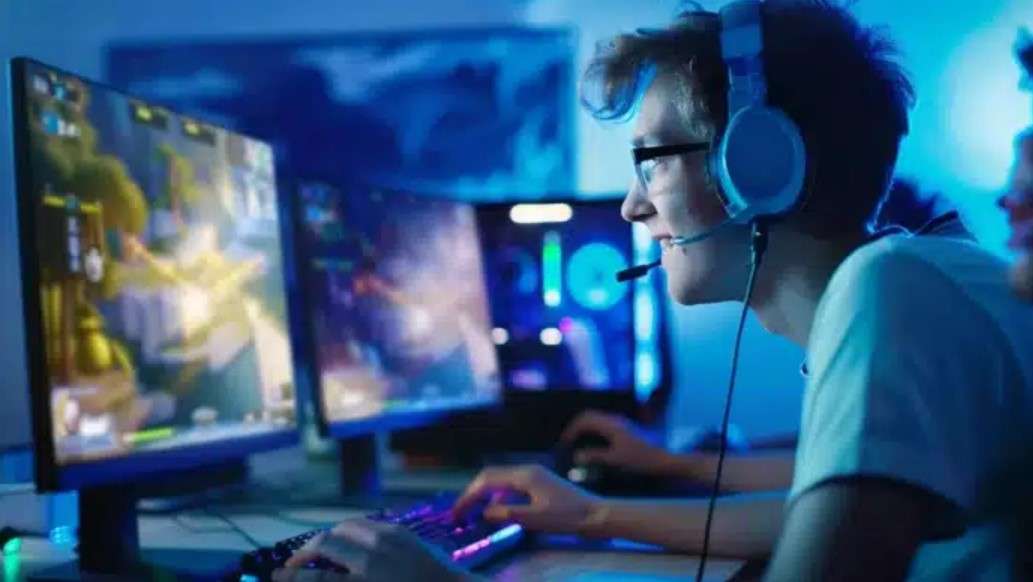
Online gaming has grown from small, text-based experiments into one of the biggest industries in the world. Today, it brings together billions of people, creating a digital culture that blends fun, technology, and social connection.
The Beginning of Online Gaming
The story of online gaming started in the 1970s with multiplayer text-based adventures called MUDs (Multi-User Dungeons). By the 1990s, the spread of faster internet made it possible to enjoy legendary titles like Quake, Counter-Strike, and StarCraft, which introduced real-time global competition. In the early 2000s, Xbox Live and PlayStation Network made online multiplayer accessible to console players everywhere.
Why Online Gaming Became So Popular
The rapid growth of online gaming can be explained by its unique features:
- Social interaction: Gamers can play with friends or make new ones worldwide.
- Diverse genres: From shooters and racing to fantasy RPGs and puzzles.
- Easy access: Mobile devices and free-to-play games make entry simple.
- Competition: Tournaments, leaderboards, and ranked matches keep the excitement alive.
The Business Behind Online Gaming
The gaming industry is worth hundreds of billions of dollars annually, surpassing traditional entertainment like movies and music. Its revenue comes from:
- Game sales and subscriptions
- Microtransactions and cosmetic upgrades
- Esports sponsorships and advertisements
- Streaming and influencer-driven content
Esports: The Rise of Professional Gaming
Esports has turned gaming into a global sport. Games like League of Legends, Fortnite, and Dota 2 have massive international tournaments, with prize pools in the millions. Professional players now enjoy celebrity status, while millions of fans watch competitions online or in packed stadiums.
The Role of Communities in Online Gaming
Communities are at the heart of online gaming. Platforms like Discord, Reddit, and Twitch give players spaces to share experiences, stream content, and bond over common interests. For many, gaming is more than play—it’s belonging to a digital family.
Positive Impacts of Online Gaming
Online gaming can provide many benefits when enjoyed responsibly:
- Improves teamwork and communication
- Enhances strategic thinking and decision-making
- Acts as a stress reliever and source of entertainment
- Promotes cultural exchange by connecting players across borders
Challenges of Online Gaming
Despite its advantages, the industry faces certain challenges:
- Addiction and overuse among younger players
- Toxicity and bullying in competitive environments
- Cybersecurity threats, such as scams and account hacking
- Pay-to-win mechanics that frustrate fair players
Game developers are working to improve gaming experiences by adding moderation tools, parental controls, and fairer designs.
The Future of Online Gaming
The coming years will bring even more innovation to the world of online gaming:
- Virtual & Augmented Reality (VR/AR): Creating lifelike and immersive environments
- Cloud gaming: Making high-quality games accessible without expensive hardware
- Artificial Intelligence (AI): Smarter NPCs and dynamic, adaptive worlds
- Blockchain gaming: Allowing players to truly own digital items and assets
Conclusion
Online gaming has become more than just a hobby—it’s a global revolution in entertainment, culture, and technology. It connects people, drives innovation, and builds communities across the world. With new technologies emerging, online gaming will continue to grow and remain a central part of digital life for generations to come.

