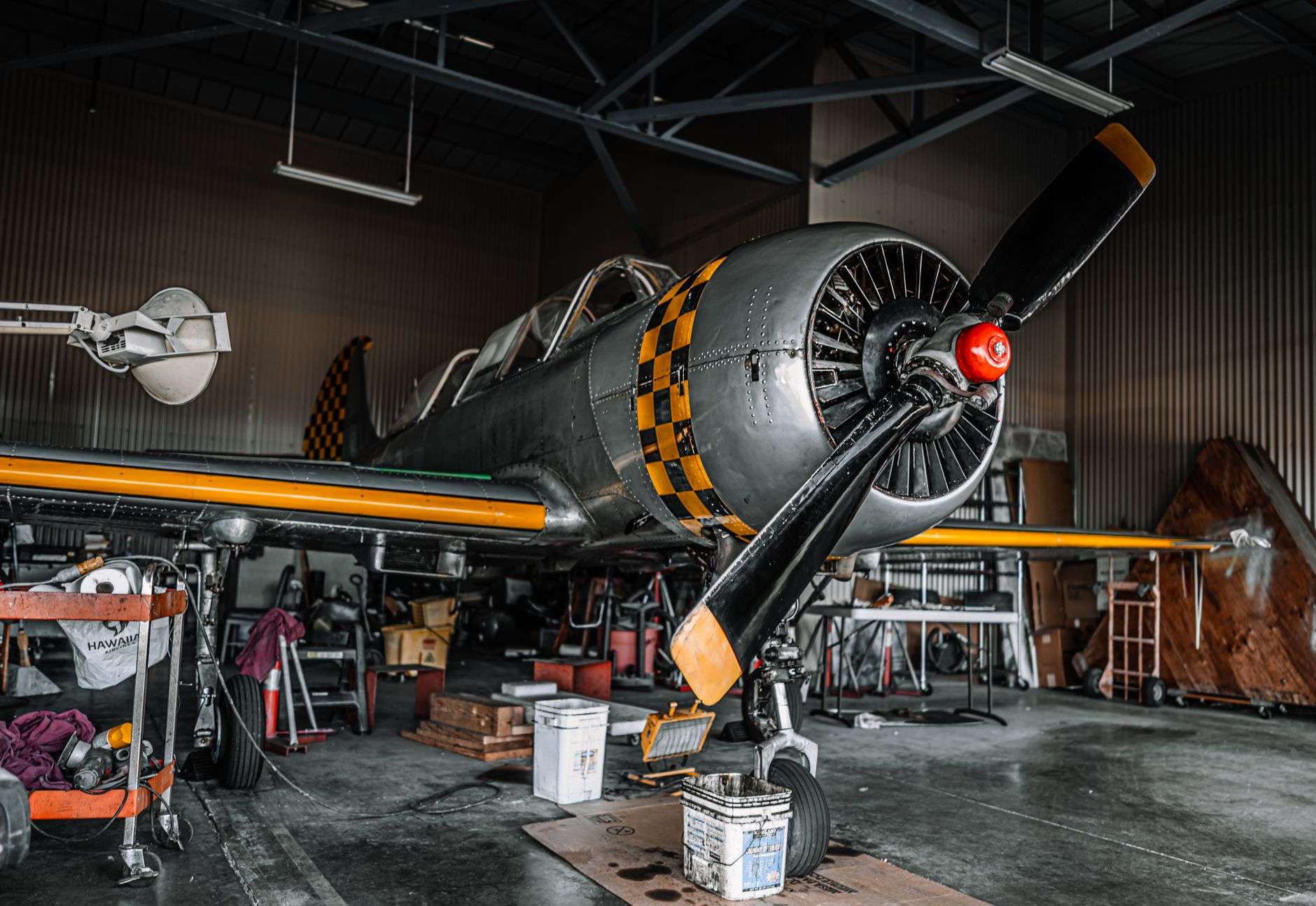
Aircraft maintenance requires precision, expertise, and the right equipment to ensure safety and operational efficiency. Technicians and mechanics working on aircraft depend on specialized tools designed to meet strict aviation industry standards. These tools enable maintenance crews to perform inspections, repairs, and routine servicing with accuracy and reliability. Understanding the core instruments used in this field provides insight into how aviation professionals keep planes airworthy. The following sections detail seven essential tools that form the backbone of aircraft maintenance operations.
1. Torque Wrenches
Torque wrenches represent one of the most critical instruments in aircraft maintenance because fastener tension directly affects structural integrity and safety. These precision tools measure and apply specific amounts of rotational force to bolts and screws, ensuring that connections meet exact specifications. Aircraft manufacturers provide precise torque values for every fastener, and deviating from these specifications can compromise performance or create dangerous conditions. Technicians use several types of torque wrenches, including click-type models that signal when the desired torque is reached and beam-type wrenches that display force through deflection. The accuracy required in aviation means these tools must be calibrated regularly and checked against standards to maintain reliability. Without proper torque application, structural failures could occur during flight, making this tool indispensable in any maintenance hangar.
2. Borescopes
Borescopes allow maintenance personnel to inspect internal engine components and other hard-to-reach areas without disassembling equipment, saving time and reducing the risk of damage during inspections. These optical instruments consist of a flexible or rigid tube with lighting and viewing capabilities, enabling technicians to see inside turbine engines, landing gear mechanisms, and fuel systems. Modern borescopes often include video capabilities and digital recording features, allowing technicians to document findings and share images with engineers for analysis. The ability to perform visual inspections of internal engine components helps identify wear, cracks, corrosion, or other defects early before they become serious problems. Borescopes come in various lengths and diameters to fit different inspection ports and compartments throughout an aircraft. This non-destructive inspection method has become standard practice in preventive maintenance programs worldwide.
3. Multimeters
Electrical systems in aircraft are complex and critical to safe operations, making multimeters essential diagnostic tools for maintenance technicians. These devices measure voltage, current, and resistance, allowing technicians to troubleshoot electrical circuits, test battery health, and verify proper operation of avionics systems. Aircraft depend on redundant electrical systems for navigation, communication, lighting, and engine operation, so accurate electrical testing is fundamental to flight safety. Technicians use multimeters to check everything from landing light functionality to autopilot system performance. Digital multimeters provide precise readings and are more user-friendly than older analog models, reducing the chance of misinterpretation. Regular electrical system testing with multimeters helps prevent in-flight electrical failures that could compromise aircraft safety or mission success.
4. Micrometers and Precision Calipers
Precision measurement tools such as micrometers and calipers are vital for assessing component wear and verifying that replacement parts meet dimensional specifications. Aircraft parts operate in extreme conditions involving high temperatures, pressure changes, and mechanical stress, all of which can cause wear over time. Maintenance personnel use these instruments to measure shaft diameters, wall thicknesses, and clearances with accuracy down to ten-thousandths of an inch. When wear exceeds acceptable limits, components must be repaired or replaced to maintain airworthiness standards. For pilots and aviation professionals seeking resources on training, aircraft systems, and airmanship, PJI offers educational content covering how aircraft components and maintenance standards work together. This attention to dimensional accuracy prevents premature failures and maintains the reliability of critical aircraft systems.
5. Aircraft Jacks and Stands
Lifting and supporting aircraft safely during maintenance requires specialized hydraulic and mechanical equipment designed to handle the weight and structure of different aircraft types. Aircraft jacks come in various capacities to safely raise fuselages, wings, and nose sections for inspection, repair, and service tasks. Maintenance crews must use the correct jack points specified by the aircraft manufacturer to prevent structural damage during lifting operations. Safety is paramount when working under raised aircraft, so maintenance facilities use redundant support systems and safety stands to protect personnel. These lifting systems must be regularly inspected and certified to maintain their integrity and load capacity. Proper jacking procedures and equipment are essential for protecting both the aircraft and the maintenance team during critical maintenance work.
6. Rigging Tools
Aircraft rigging tools are specialized instruments used to adjust and verify the alignment of control surfaces, landing gear, and other movable components. These tools include specialized levels, angle gauges, and alignment equipment that ensure control surfaces move freely and respond correctly to pilot inputs. Proper rigging is essential for aircraft handling characteristics, stability, and control effectiveness during flight. Technicians use rigging tools to check aileron deflection, elevator travel, rudder alignment, and trim tab position according to manufacturer specifications. Any deviation from correct rigging can affect aircraft performance and potentially create dangerous flight conditions. Rigging checks are typically performed during major maintenance inspections and after structural repairs to ensure continued airworthiness.
7. Hydraulic Test Equipment
Aircraft hydraulic systems power landing gear, brakes, flight control surfaces, and other critical functions, making hydraulic testing equipment essential for maintenance operations. Hydraulic test sets measure pressure, flow rate, and system integrity to verify that hydraulic systems operate within specified parameters. Technicians use this equipment to identify leaks, check valve function, and confirm that actuators respond correctly to system inputs. Hydraulic system failure during flight could compromise aircraft control or landing capability, so thorough testing is fundamental to safety. Regular hydraulic testing helps detect degradation before components fail completely. This equipment ensures that all hydraulic-powered systems function reliably throughout the aircraft’s operational life.
Conclusion
Aircraft maintenance relies on a comprehensive collection of specialized tools, each serving a specific purpose in ensuring safety and airworthiness. From torque wrenches that secure fasteners with precision to borescopes that inspect internal engine components, these instruments enable maintenance professionals to perform their duties with confidence and accuracy. The seven tools discussed represent core equipment found in aircraft maintenance facilities worldwide. Proper tool selection, calibration, and maintenance directly impacts the quality of work performed on aircraft. Aviation maintenance personnel must understand how to use these tools correctly and recognize when specialized equipment requires professional service or replacement. The continued investment in quality tools and training reflects the aviation industry’s commitment to safety and operational excellence.