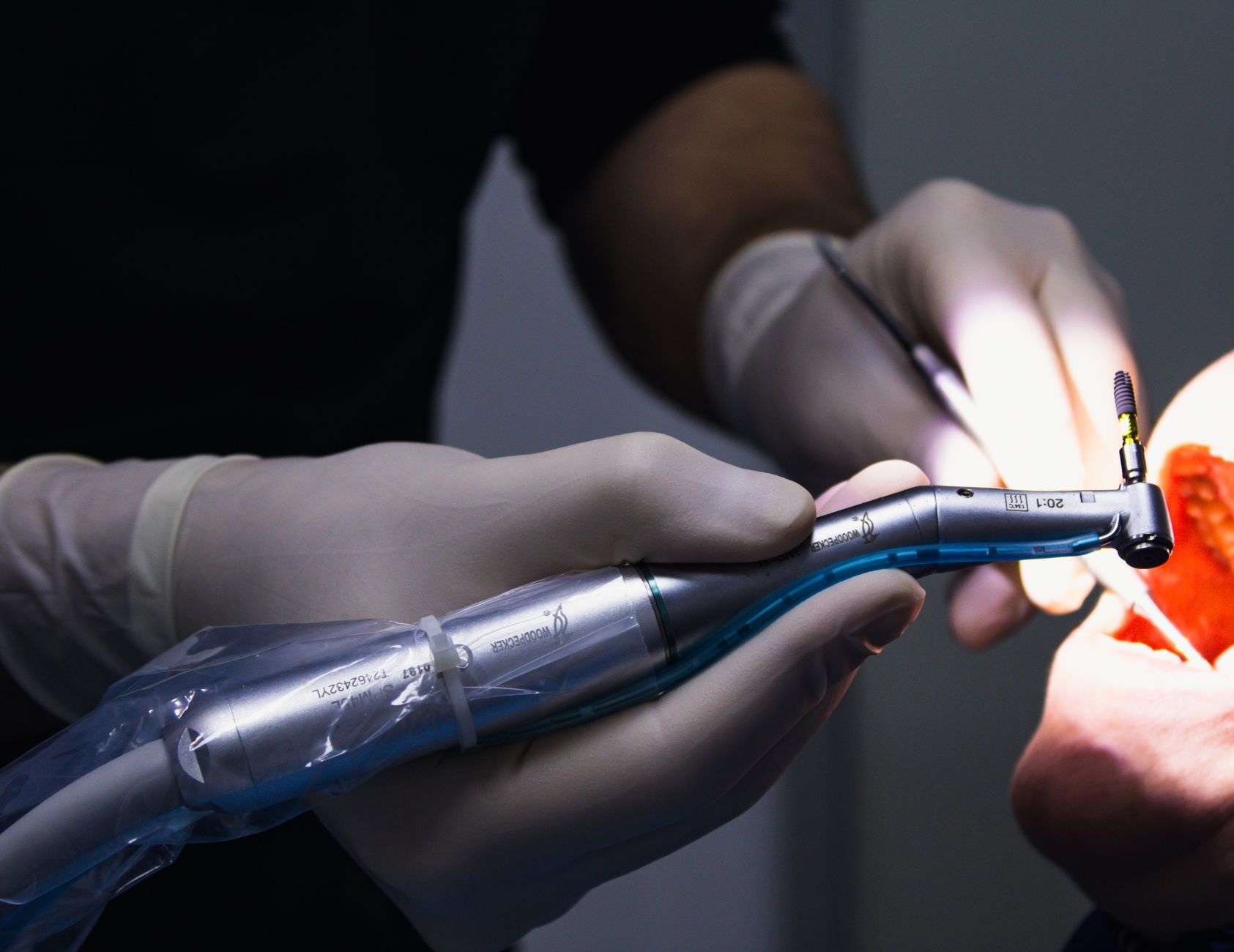
Before you schedule an oral surgery procedure, understanding what to expect can help you prepare both physically and mentally. Oral surgery encompasses a range of procedures, from tooth extractions to more complex interventions, and each one carries its own set of considerations. Knowing the basics about preparation, recovery, and potential risks allows you to make informed decisions about your dental health. Your oral surgeon will provide detailed instructions, but having foundational knowledge beforehand empowers you to ask the right questions. This article covers essential information you should understand before moving forward with any oral surgical procedure.
Understanding Different Types of Oral Surgery Procedures
Oral surgery is not a single procedure but rather a category of surgical interventions performed by specially trained dentists. Common procedures include tooth extractions, particularly for impacted wisdom teeth, dental implant placement, bone grafting, and corrective jaw surgery. Some procedures are routine and straightforward, while others are more complex and require advanced surgical techniques. For example, extracting a fully erupted tooth may take significantly less time than removing an impacted wisdom tooth that is partially embedded in bone. Additionally, some patients may need preparatory procedures or multiple stages of treatment before reaching their final surgical goal. Understanding which specific procedure you are undergoing helps you set realistic expectations about time, cost, and recovery duration.
Pre-Surgery Preparation and Medical Considerations
Your oral surgeon will provide a detailed pre-surgery checklist that you must follow carefully to ensure the safest possible procedure. This typically includes instructions about fasting, medication adjustments, and what to wear on the day of your surgery. You should provide a complete medical history, including any existing health conditions, allergies, and all medications and supplements you currently take. Certain medications, such as blood thinners or aspirin, may need to be temporarily discontinued before surgery, while others must be continued without interruption. Arranging for someone to drive you home after the procedure is necessary, as sedation or anesthesia will impair your ability to operate a vehicle safely. Planning time off work or school also gives your body adequate opportunity to begin the healing process without additional stress or physical strain.
Recovery Timeline and Post-Surgery Care
The recovery period following oral surgery varies depending on the complexity of the procedure and your individual healing capacity. Immediately after surgery, you will experience some swelling, bruising, and discomfort, which typically peak within the first three days and then gradually improve. Your surgeon will prescribe pain management strategies, which may include prescribed medications or over-the-counter pain relievers, along with clear instructions on how to care for the surgical site. You will need to follow dietary restrictions, avoiding hard, hot, and spicy foods while consuming soft foods and cool beverages to promote healing. Keeping the surgical area clean without disturbing it is crucial, and your surgeon will explain proper rinsing and cleaning techniques to prevent infection. Most patients can return to light activities within a week, though complete healing of the bone and tissues may take several weeks or longer.
Potential Risks and Complications
Like any surgical procedure, oral surgery carries certain risks that you should understand before proceeding. Common temporary side effects include swelling, bruising, and mild to moderate pain, which are typically manageable with proper care and prescribed medications. More serious but less common complications can include infection, excessive bleeding, nerve damage that causes temporary or permanent numbness, or dry socket, a painful condition in which the blood clot fails to form properly. The risk of complications increases with the complexity of the surgery and certain underlying health conditions, which is why providing complete medical information to your surgeon is vital. Your surgeon should discuss specific risks related to your particular procedure during your consultation, and you should feel comfortable asking questions about anything that concerns you. Understanding these potential complications does not mean they will occur, but it prepares you mentally and helps you recognize warning signs that require prompt professional attention.
Cost, Insurance, and Financial Planning
Oral surgery costs vary widely depending on the type and complexity of the procedure, your geographic location, and your dental insurance coverage. Obtaining a detailed cost estimate from your oral surgeon before scheduling ensures there are no financial surprises. Contact your dental insurance provider to understand what portions of the procedure they will cover and what your out-of-pocket expenses will be. Many practices offer payment plans or financing options to help make treatment more accessible, so discussing these possibilities during your consultation is worthwhile. Patients seeking a range of surgical dental services, from extractions to implants, can find that providers offering oral surgery in Cleburne present multiple treatment options under one roof, making it easier to plan and coordinate care. Taking time to review your financial options thoroughly ensures you are prepared for the monetary commitment involved and can focus on healing during recovery.
Conclusion
Scheduling an oral surgery procedure is a significant decision that deserves careful consideration and thorough preparation. By understanding the specific procedure you are having, preparing your body and life for surgery and recovery, and knowing what complications to watch for, you set yourself up for a smoother experience. Taking time to review costs, insurance coverage, and financial arrangements removes uncertainty about the monetary aspects of your treatment. Your oral surgeon is your partner in this process and can answer detailed questions specific to your situation, medical history, and procedure type. With proper knowledge and preparation, you can approach your oral surgery with confidence and focus on achieving better oral health.