Some rooms stay uncomfortable after insulation is added because insulation alone does not always solve the full problem. A room can still feel too cold, too hot, drafty, or uneven if air leaks, moisture, poor installation, or heating and cooling issues persist.
This can be frustrating for homeowners who expected an instant improvement. The good news is that most comfort problems have a clear cause once the whole room is assessed, not just the insulation level.
Insulation May Not Have Been Installed Evenly
Insulation needs full and consistent coverage to work properly. If there are gaps, compressed areas, or missed sections, heat can still move through the space.
This often happens around corners, rim joists, attic edges, knee walls, or areas where pipes and wires pass through. Even small gaps can make one room feel different from the rest of the home.
Air Leaks Can Reduce Comfort
Air leakage is one of the most common reasons a room still feels uncomfortable. Insulation slows heat transfer, but it does not always stop air movement.
Cold drafts can enter through:
- Gaps around windows and doors
- Electrical outlets on exterior walls
- Plumbing openings
- Attic access points
- Basement or crawl space connections
When air leaks are not sealed, the room may still feel chilly in winter or warm and stuffy in summer.
The Room May Need Better Air Sealing
Air sealing and insulation work best together. If one is done without the other, results can be limited.
For example, adding more insulation to an attic may help, but if warm indoor air is still escaping through gaps in the ceiling, comfort problems may persist. This is why many home insulation contractors assess the entire building envelope before recommending the next step.
Moisture Can Affect Performance
Insulation does not perform well when it becomes wet or damaged. Moisture can come from roof leaks, condensation, poor ventilation, or water entering from outside.
Wet insulation may settle, lose effectiveness, or create conditions for mold and odors. If a room feels damp, musty, or colder than expected, check for moisture before adding more material.
Heating And Cooling May Be Uneven
Sometimes the insulation is not the main issue. The room may not be getting enough warm or cool air from the HVAC system.
This can happen when ducts are leaking, blocked, poorly sized, or poorly balanced. A room far from the furnace or air conditioner may naturally receive less airflow. In that case, insulation helps, but airflow still needs attention.
The Wrong Insulation May Have Been Used
Different areas of a home may need different insulation methods. What works well in an open attic may not be the best choice for a basement wall, crawl space, or hard-to-reach cavity.
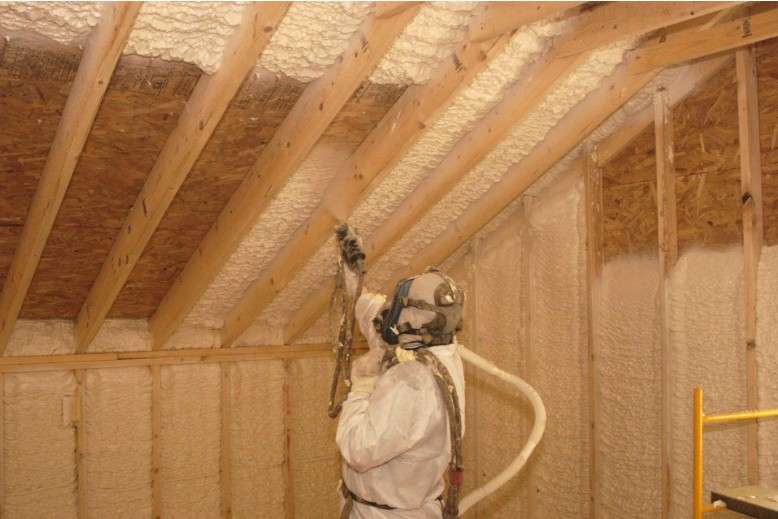
In some cases, spray foam insulation may be recommended because it can help with both insulation and air sealing in certain spaces. However, the right choice depends on the room, the existing structure, and the source of the comfort problem.
Older Homes Often Have Hidden Gaps
Older homes can have unusual framing, settled materials, and small openings that are easy to miss. Renovations, repairs, and past additions may also leave uneven insulation behind walls or ceilings.
A full assessment can reveal whether the issue is missing insulation, air leakage, moisture, airflow, or a mix of several problems. That makes it easier to fix the root cause rather than adding more insulation and hoping the room improves.