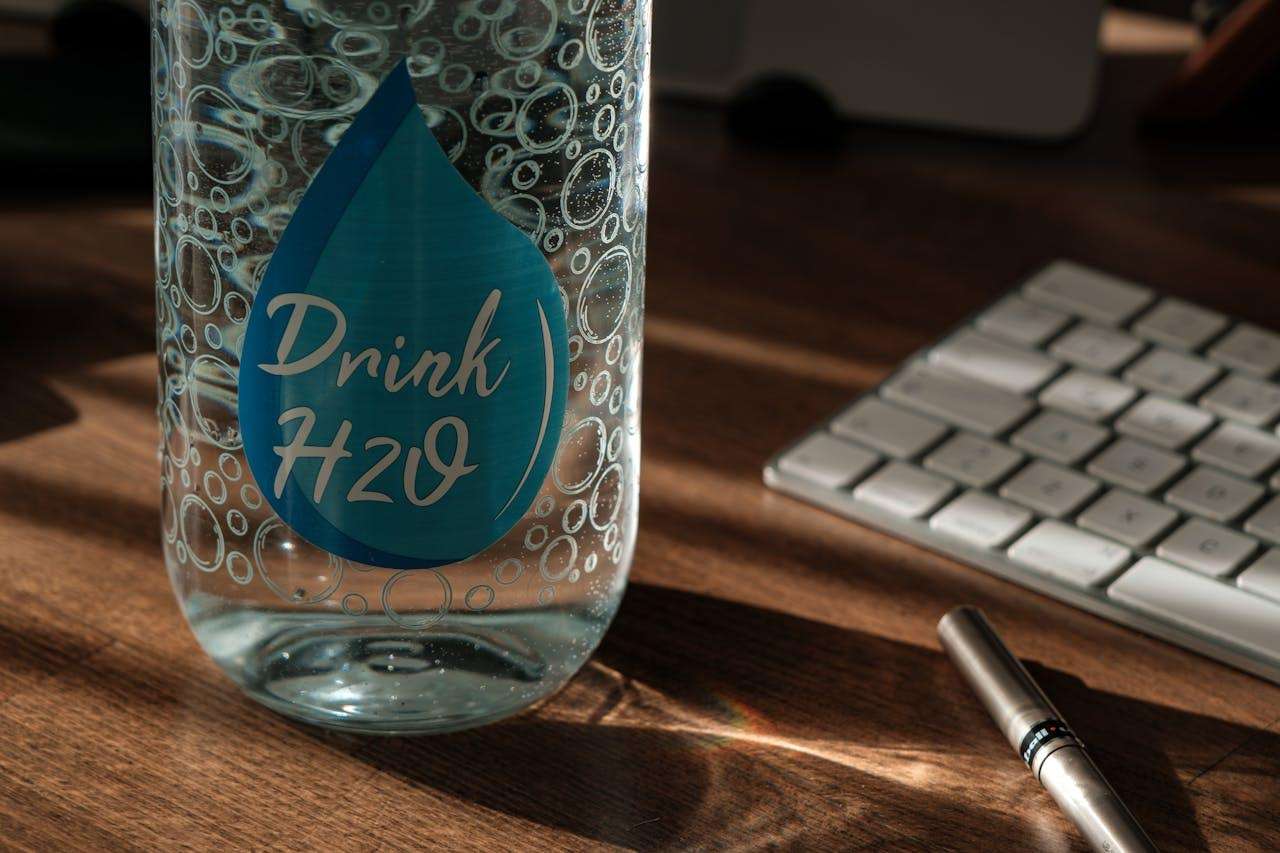
Hydration is often reduced to a simple instruction: drink more water. While water intake is essential, this surface-level advice overlooks a critical distinction between hydration at the system level and hydration at the cellular level. True hydration is not just about how much water you consume, but about whether that water actually reaches your cells and supports their function. Every physiological process—from energy production to cognitive clarity—depends on cells maintaining the right balance of water and minerals. When that balance is disrupted, symptoms can appear even in people who believe they are doing everything “right.” Understanding cellular hydration requires shifting focus away from water volume alone and toward the mechanisms that allow cells to absorb, retain, and use water effectively.
Hydration Beyond the Glass of Water
At the cellular level, hydration is a tightly regulated process. Cells are not passive containers that simply fill up with water; they actively manage fluid balance using electrolytes and energy-dependent transport systems. Water follows minerals, not the other way around. If electrolyte balance is disrupted, water may remain in circulation or be excreted rather than pulled into cells where it is needed. This explains why some individuals experience symptoms like fatigue, headaches, muscle cramps, or brain fog despite regular water intake. The issue is not always insufficient fluids, but inefficient fluid utilization. Without the proper mineral gradients and cellular signaling, hydration stalls at the surface.
The Role of Electrolytes in Cellular Hydration
Electrolytes—especially potassium, magnesium, and sodium—are foundational to cellular hydration. Potassium is the primary intracellular electrolyte and plays a key role in drawing water into the cell. Magnesium supports hundreds of enzymatic reactions, including those involved in energy production and membrane stability. Sodium, while often overemphasized in dietary discussions, is essential in controlled amounts for maintaining fluid balance outside the cell. When these minerals are imbalanced, water distribution shifts. Excess sodium without sufficient potassium, for example, encourages water retention outside cells rather than within them. Over time, this imbalance may contribute to poor cellular hydration even when total body water appears adequate.
In the referenced video, viewers learn how potassium, magnesium, and the sodium-potassium pump control cellular hydration, energy production, brain clarity, and muscle function. This framework helps explain why hydration is fundamentally a mineral-driven process rather than a simple fluid one.
The Sodium-Potassium Pump: Hydration at Work
One of the most important mechanisms in cellular hydration is the sodium-potassium pump, an energy-dependent system embedded in every cell membrane. This pump moves sodium out of the cell and potassium into the cell, creating an electrical and osmotic gradient that allows water to follow potassium inward. This process is constant and energy-intensive, consuming a significant portion of the body’s available ATP. When mitochondrial energy production is compromised—due to stress, illness, nutrient deficiencies, or metabolic strain—the sodium-potassium pump slows down. As a result, cells lose their ability to maintain hydration, electrical signaling becomes less efficient, and tissues such as muscle and brain are often the first to show symptoms. This is why hydration issues are frequently tied to fatigue and cognitive changes rather than thirst alone.
Why More Water Isn’t Always the Answer
The frustration many people feel can be summed up by this scenario: Drinking Lots of Water But Still Dehydrated? Here’s Why. Excessive water intake without adequate electrolytes can worsen cellular hydration by diluting mineral concentrations. In these cases, the body may excrete excess water quickly, leaving cells functionally dehydrated. The video referenced alongside this topic brings clarity by outlining practical, physiology-based explanations for why hydration stalls at the cellular level and what factors commonly interfere with it.
This pattern is especially common in individuals under chronic stress, athletes who sweat heavily without replenishing minerals, or those following restrictive diets. In these situations, hydration strategies that ignore electrolyte status may fail repeatedly, leading to ongoing symptoms and confusion.
Implications for Energy, Brain Function, and Muscles
Proper cellular hydration supports nearly every system in the body, but its effects are particularly noticeable in energy production, neurological performance, and muscle function. Dehydrated cells struggle to produce ATP efficiently, leading to low stamina and slower recovery. In the brain, disrupted hydration affects electrical signaling, often contributing to poor concentration or mental fatigue. Muscles, which rely heavily on electrolyte gradients for contraction and relaxation, may cramp or weaken when hydration is inefficient. In discussions around cellular energy and metabolic support, some people also explore nutritional compounds such as https://www.amazon.com/SAM-
Recognizing these patterns allows for more nuanced conversations around hydration. Rather than focusing solely on fluid intake, individuals and practitioners can consider mineral balance, metabolic health, and energy demand together as part of an integrated system.
Conclusion
Cellular hydration is not a simple matter of drinking more water—it is a complex, energy-driven process governed by electrolytes, cellular pumps, and metabolic health. When these systems are supported, water can move where it is needed most, fueling energy production, clarity, and physical resilience. By understanding hydration at the cellular level, it becomes easier to recognize why conventional advice sometimes falls short and what factors truly influence how hydrated the body feels and functions.