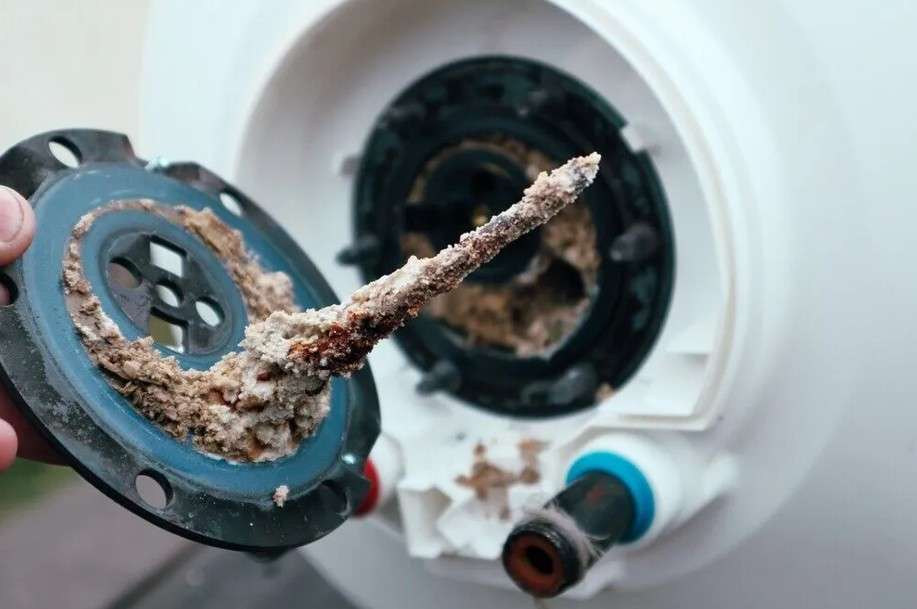
Hard water minerals cause silent, expensive damage to water heating systems. When heated, dissolved calcium and magnesium form a thick layer of limescale on heating elements and tank surfaces, acting as a thermal barrier.
Key Takeaways
- Limescale blocks heat transfer, forcing your water heater to use up to 40% more energy as the mineral buildup thickens over time.
- Scale accumulation traps heat inside electric elements (causing them to burn out) and creates hot spots on gas burner bases, leading to cracked, leaking tanks.
- You can reverse mineral damage, restore performance, and protect your appliance investment by performing an annual system flush and descaling.
Many homeowners assume that a drop in water pressure or a lack of hot water means their water heater is old. However, the real culprit is often invisible. Hard water minerals cause silent damage inside water heating systems every single day.
When calcium and magnesium minerals dissolve in water, they create hard water. When this water is heated, these minerals form solid deposits known as limescale. Over time, this scale destroys the efficiency of your appliance and leads to sudden breakdowns.
The Science Behind Limescale Accumulation
Chemical buildups cause limescale build up and calcium carbonate becomes less soluble when water temperature increases. When your water heater warms up, these dissolved minerals separate from the water. They settle directly onto the hottest surfaces inside your unit.
- In Electric Heaters: Scale forms a thick crust around the submerged heating elements.
- In Gas Heaters: Scale settles at the flat bottom of the storage tank, right above the gas burner.
This mineral layer acts as a literal barrier to heat. Limescale has a very low thermal conductivity, meaning heat cannot pass through it easily. As a result, your water heater has to work twice as hard to transfer heat into your water.
How Hard Water Destroys Appliance Performance
Here is how hard water affects your water heater’s efficiency.
Reduces Efficiency
The magnesium and calcium from hard water solidify when the water is heated and forms a chalky white residue known as limescale buildup. This buildup forms a barrier between the water inside the heater and the heating element.
This means the water heater must work harder and take longer to reach the desired temperature. As a result, hard water reduces efficiency and increases energy consumption. This is when you need Rinnai or Ferroli heater repair services.
Higher Energy Bills
The most immediate impact of hard water is a spike in your monthly utility bills. Because limescale blocks heat transfer, your system burns more energy to achieve the same water temperature.
Research shows that even a tiny layer of scale causes a measurable drop in efficiency. The operational losses escalate quickly as the mineral crust thickens:
| Limescale thickness | Increase in energy consumption |
| 1.0 mm | 15% increase |
| 3.0 mm | 25%-30% increase |
| 5.0 mm | More than 40% increase |
Table: Limescale thickness vs. energy consumption increase
Corrosion
The hard water reacts with the metal components in the Ferroli or Rinnai gas heater and over time degrades the entire water heating system. It affects the tank and heating elements, reducing their performance and lifespan. The mineral deposits from hard water damage the lining and cause corrosion.
Potential Leaks
Corrosion can gradually create small holes or cracks in the tank and other components in the tank or any other component, increasing the risk of leakage in the kitchen or bathroom.
In Singapore condos and newer HDBs, storage water heaters are often hidden inside false ceilings. When mineral scale causes corrosion and subsequent leaks, it damages the plaster board first. It is important to identify potential leaks before it causes too much damage.
Shortens The Lifespan
Hard water makes the water heater work harder than usual. Over time, this can severely reduce the lifespan of the water heater. You may need more frequent servicing regardless of the brand you use.
Even if you are using a Rinnai gas heater, or a Ferroli, you will need frequent servicing. You might even have to replace the unit prematurely because of this hard water supply.
Severe Structural Consequences Of Hard Water
Beyond simple energy loss, hard water alters the physical environment inside your heating system. It ruins components from the inside out through several distinct mechanisms:
- Thermal Stress: Because scale traps heat, the metal elements and tank walls operate at much higher temperatures than safety limits allow, accelerating mechanical failure. If you notice popping or rumbling sounds from your tank, it may indicate water boiling beneath a layer of scale.
- Reduced Water Pressure: Flakes of scale break off and lodge inside the hot water outlet valves. This blocks the plumbing lines and starves your showers of water pressure.
- Anode Rod Degradation: Hard water accelerates the consumption of your tank’s sacrificial anode rod. Once this rod degrades, the tank shell begins to rust.
How To Prevent The Impact Of Hard Water On Your Water Heater?
With these few simple tips and tricks, you can reduce the effects of hard water on your heater.
- Install Water Softener: A water softener will remove the minerals in the hard water and reduce sediment buildup drastically at the bottom of the heater.
- Invest In A Tankless Water Heater: You can also get a tankless water heater, as there will be reduced risk of corrosion and sediment buildup.
- Maintain The Anode Rod: This rod attracts all corrosive elements and protects the tank. Inspecting it regularly will significantly increase the lifespan of the water heater. This applies only to storage water heaters.
- Regular Flushing: Flushing the water heater regularly is important to prevent sediment buildup. This keeps the water heater efficient and increases its lifespan.
- Periodic Professional Inspection: Regular inspection by a professional will help you identify issues early and take preventive measures to protect the water heater. Also, it is always beneficial to get brand specific parts and professionals for repairing. For instance, if you have a Ferroli water heater that needs inspection or repair, consult a Ferroli heater repair specialist to achieve the best results.
Wrapping Up
Leaving hard water unmanaged guarantees a shorter appliance lifespan, higher utility bills, and unexpected cold showers. Regular flushing helps mitigate these risks, but severe mineral blockages require experienced intervention.
While choosing a water heater, choose a reputable and reliable brand that has a responsive support team that will be able to help you in times of emergency and provide spare parts when you need to repair anything.