For a long time, photo editing felt like a technical task reserved for people who understood layers, masks, and fine adjustments. Most users opened an image only when something was clearly wrong. The workflow revolved around fixing mistakes rather than shaping visual content with intention.
That dynamic has shifted. AI-driven systems are not just speeding up edits; they are changing how people think about the entire process. Instead of asking, “How do I fix this?” users now ask, “How should this image work?” The difference may sound subtle, but it affects everything from social media posts to product photography.
From Manual Adjustments to Outcome-Focused Editing
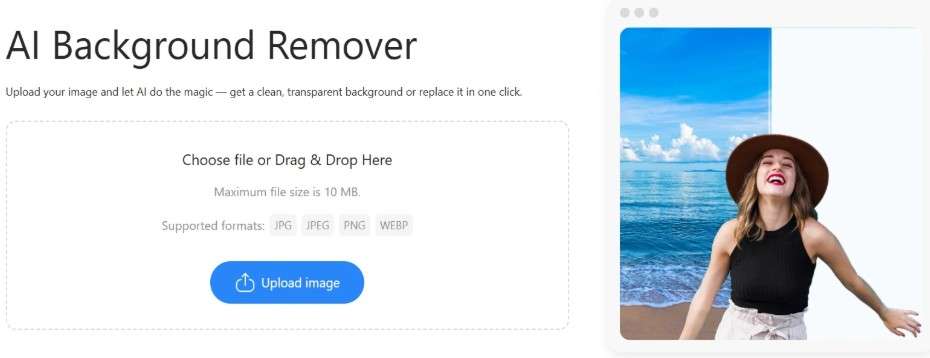
Traditional editing workflows required step-by-step corrections. If the background felt distracting, you manually traced around the subject. If the image looked dull, you experimented with contrast and exposure sliders. Every change demanded attention to small technical details.
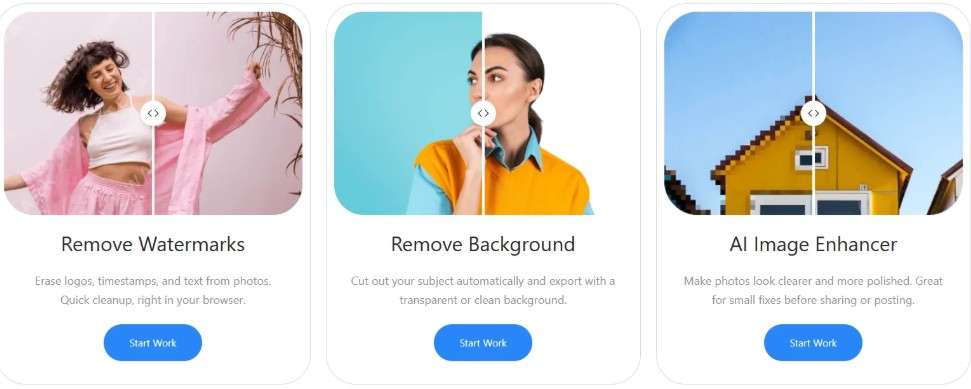
AI tools reframe that process. Removing background from photos is no longer a precise hand-tracing exercise; it becomes a decision about focus. Cleaning up photos before posting does not involve pixel-by-pixel cloning but rather selecting what should disappear. The emphasis moves from technique to intent.
This matters in everyday scenarios. A small business owner updating product images does not need to become a designer overnight. A content creator preparing visuals for Instagram or Pinterest can remove unwanted visual elements and improve image quality without dismantling the entire composition. The workflow becomes about clarity and consistency, not trial and error.
Image Cleanup as a Standard Step
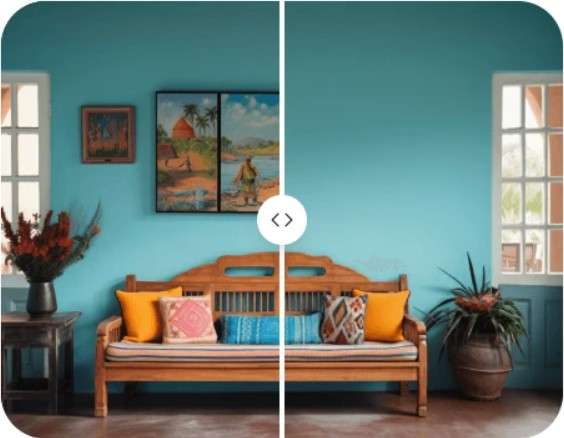
Another noticeable change is how cleanup has become routine rather than exceptional. It used to be that only visibly flawed images were edited. Now, even good photos go through refinement before publication. A stray object in the background, a faint watermark, or an uneven surface might not ruin the image, but removing it strengthens the final result.
Object removal, background isolation, and subtle enhancement are increasingly viewed as preparation steps. Designers working on marketing materials often begin by cleaning images before they even consider layout. Ecommerce sellers refine product photos to remove distractions. Photographers adjust minor elements to ensure the subject remains central.
This shift builds more reliable workflows. Teams can reuse images across platforms without worrying that hidden imperfections will surface later in a larger format. Clean visuals scale better across websites, ads, and printed materials.
Enhancement Without Overcorrection

Earlier editing trends often pushed images too far. Over-sharpened textures, extreme filters, and artificial lighting adjustments were common. AI-enhanced workflows tend to focus more on balance. The goal is not dramatic transformation but restoring clarity where it was lost.
Improving image quality today often means subtle adjustments that respect natural textures and lighting. A slightly blurred photo taken in low light can be refined without turning skin into plastic or flattening fabric detail. A product image can regain sharpness without exaggerating edges.
This approach encourages reuse. An image enhanced thoughtfully can serve multiple purposes—social content, website banners, internal presentations—without needing separate versions for each format. The workflow becomes modular and adaptable.
Generation and Adaptation in the Same Environment
The boundary between editing and creation has also softened. Generating visuals for design ideas no longer feels disconnected from cleanup or enhancement. A background can be extended to fit a new layout. A concept visual can be created and then refined in the same workflow.
For creators and businesses, this integration reduces friction. Instead of jumping between disconnected processes, they move through stages of refinement and generation within a unified environment. Platforms such as Phototune reflect this broader shift toward flexible visual workflows that support removal, enhancement, and generation as connected steps.
The larger change is cultural rather than technical. Photo editing is no longer a corrective afterthought. It has become part of how visual content is planned, shaped, and reused. AI tools are redefining workflows not by replacing creativity, but by removing the mechanical barriers that once slowed it down.