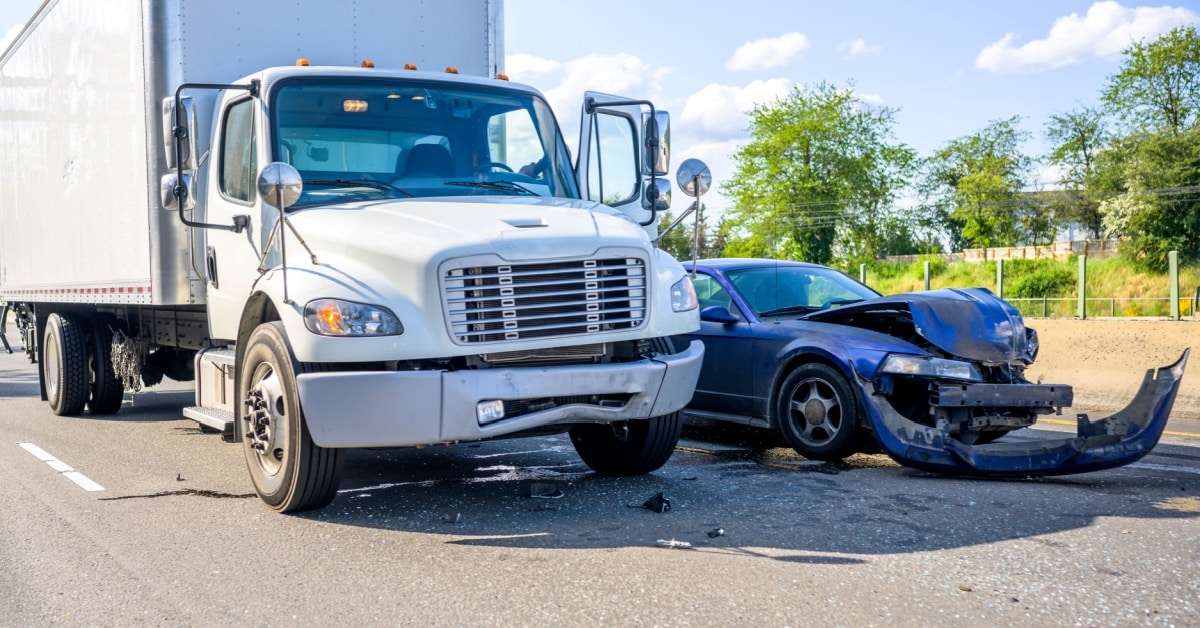
A crash with an uninsured truck in Florida hits you twice. First your body. Then your bank account. You face hospital bills, missed work, and car repairs with no clear way to pay. You may feel cornered or angry. You are not stuck. Florida law gives you options when the truck driver has no insurance or not enough coverage. You can use your own policy. You can pursue the driver or trucking company. You can challenge low settlement offers. This blog guides you through each step so you avoid mistakes that cost you money and time. You learn what to do at the scene, how to document your losses, and when to call for legal help. You also see how services like myaffordableattorney can support you during this pressure and confusion.
Step 1. Focus on safety and medical care
First you protect yourself and your family.
- Move to a safe place away from traffic if you can.
- Call 911 right away.
- Ask for both police and medical help.
Next you accept medical care even if you feel fine. Truck crashes put heavy force on your body. Pain can show up hours or days later.
Florida personal injury protection, or PIP, usually covers your first medical bills. The Florida Department of Highway Safety and Motor Vehicles explains basic PIP rules on its site at https://www.flhsmv.gov/insurance/. You must seek care within 14 days for PIP to apply. If you wait longer you risk losing this support.
Step 2. Call police and gather proof
You need a police report. It records the crash, the truck, and the driver. It can help prove fault later.
While you wait for police, you gather proof if it is safe.
- Take photos of the scene, all vehicles, and any skid marks.
- Photograph injuries, road signs, and weather conditions.
- Ask for names, phone numbers, and insurance details from all drivers.
- Ask witnesses for contact information.
Then you keep all records in one folder. That includes medical bills, repair estimates, and time missed from work.
Step 3. Understand uninsured and underinsured coverage
The truck driver may have no insurance. The driver may also have low limits that do not cover your losses. Your own policy may fill the gap.
Many Florida drivers carry uninsured or underinsured motorist coverage, called UM or UIM. This can pay for:
- Medical treatment that PIP does not cover
- Lost wages
- Pain and lasting harm
You check your policy or call your insurer to confirm your UM or UIM limits. You ask clear questions. You take notes on what the adjuster says.
Step 4. Compare main insurance options after an uninsured truck crash
The table below shows common sources of payment after an uninsured truck crash in Florida. It also shows common limits and key points.
| Source of payment | Who pays | What it may cover | Common limits or rules
|
|---|---|---|---|
| PIP (Personal Injury Protection) | Your auto insurer | Medical bills and part of lost wages | Usually up to 10,000 dollars. You must seek care within 14 days. |
| Medical payments coverage | Your auto insurer | Extra medical costs beyond PIP | Optional add on. Limits depend on your policy. |
| UM or UIM coverage | Your auto insurer | Medical costs, lost wages, pain, lasting harm | Applies when other driver has no or low insurance. Limits match or are lower than your liability coverage. |
| Truck driver personal assets | At fault driver | Any losses not covered by insurance | May be hard to collect if driver has few assets. |
| Trucking company or owner | Employer or truck owner | Large medical costs and long term losses | May share fault if they hired or trained the driver poorly or failed to maintain the truck. |
Step 5. Report the crash to your insurer
Next you contact your insurer soon after the crash. Many policies require fast notice.
You keep your first call short.
- Give date, time, and place of the crash.
- Share the truck plate number if you have it.
- Confirm that the other driver may be uninsured.
You do not guess about fault or injuries. You do not agree to a recorded statement before you talk with legal help. You ask for your claim number and write it down.
Step 6. Watch for low offers and pressure
Insurance adjusters often try to close claims fast. They may offer a quick check. That can feel tempting if bills stack up.
You pause before you sign anything. Once you sign a release you usually cannot ask for more money later. That is true even if new medical problems show up.
You ask yourself three questions.
- Do I know the full cost of my medical care.
- Do I know how long I will miss work.
- Do I understand my pain and limits.
If the answer to any question is no, then you wait and seek advice.
Step 7. Track deadlines and Florida rules
Florida crash law has strict time limits. These are called statutes of limitation. They control how long you have to file a lawsuit.
For updated deadlines, you can review guidance on the Florida Courts site at https://www.flcourts.gov/. Rules can change, so you check current law or ask a licensed attorney.
You also keep track of:
- Medical appointments and missed visits
- Time missed from work or school
- Out of pocket costs like medicine or travel to doctors
Step 8. When to seek legal help
You do not need to face a trucking company or insurer alone. You consider legal help when:
- Your injuries are serious or long term.
- The truck driver denies fault.
- There are several drivers or companies involved.
- The insurer delays, ignores you, or blames you.
You bring all documents to your first meeting. That includes photos, the crash report, medical records, letters from insurers, and your policy.
You ask clear questions.
- What claims can I file.
- Who might be responsible.
- What evidence do you need from me.
Step 9. Protect your family and your peace
An uninsured truck crash shakes your sense of safety. Money pressure can strain your home. You can still protect your future.
- Stay in treatment and follow medical advice.
- Keep all records and organize them by date.
- Limit social media posts about the crash or your health.
- Talk with trusted family about major decisions before you sign anything.
You did not choose this crash. You can choose a clear plan. You can use Florida insurance rules, your own coverage, and legal support to push for fair payment. Step by step you move from panic to control.