Homeowners often overlook the importance of their electrical panel, yet it is one of the most critical components of a safe and functional home. The electrical panel, sometimes called a breaker box, is responsible for distributing electricity throughout your house and protecting circuits from overloads. Over time, as homes age and electrical demands increase, the panel may become outdated or insufficient for modern needs. Recognizing when to upgrade your electrical panel can prevent safety hazards, improve energy efficiency, and ensure your home can handle today’s technology. Understanding the signs and reasons for an upgrade is essential for every homeowner.
Key signs and reasons for panel upgrades
Understanding the Role of Your Electrical Panel
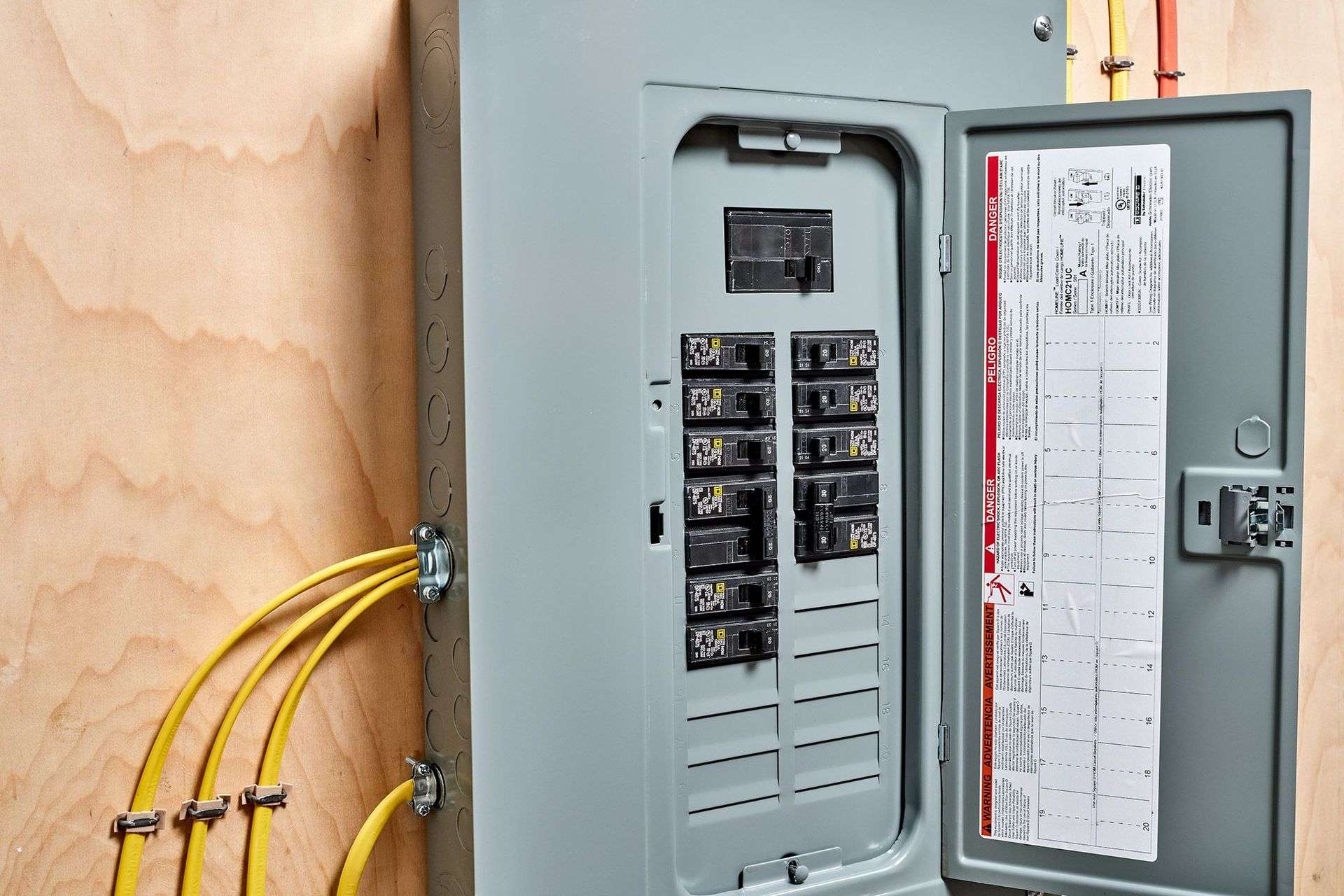
The electrical panel serves as the central hub for all the electricity entering your home. It divides the electrical power into subsidiary circuits and provides a protective fuse or circuit breaker for each circuit. As your household grows and technology advances, the demand for electricity increases. Older panels, especially those installed decades ago, may not be equipped to handle the load from modern appliances, HVAC systems, and electronic devices. This can lead to frequent tripped breakers, flickering lights, or even overheating wires. An outdated panel can also pose a significant safety risk, as it may not meet current electrical codes or provide adequate protection against electrical fires. Upgrading your panel ensures your home’s electrical system remains safe, reliable, and capable of supporting your lifestyle.
Common Warning Signs of an Outdated Panel
Recognizing the warning signs of an outdated or failing electrical panel is crucial for maintaining a safe home environment. One of the most common indicators is frequent circuit breaker trips, which suggest the panel is struggling to handle the electrical load. You might also notice lights dimming or flickering when large appliances turn on, or outlets that feel warm to the touch. In some cases, you may hear buzzing sounds coming from the panel, or detect a burning smell, both of which are serious red flags. If your home still uses a fuse box instead of a modern breaker panel, or if the panel is more than 25 years old, it is likely time for an upgrade. Home renovations, the addition of new appliances, or the installation of electric vehicle chargers can also necessitate a panel upgrade to ensure your system can safely accommodate increased demand.
Why Upgrading Your Panel Matters
Upgrading your home’s electrical panel is not just about convenience; it is a matter of safety and future-proofing your property. An outdated panel can become a fire hazard, especially if it is overloaded or has deteriorating components. Modern panels are designed to meet current safety standards and can handle the higher electrical loads required by today’s homes. This upgrade can also increase your property value and make your home more attractive to potential buyers, as it demonstrates a commitment to safety and modernization. For homeowners seeking reliable electrical services throughout Vancouver WA, ensuring your panel is up to date is a critical step in maintaining a safe and efficient home. Additionally, a new panel can support the integration of renewable energy sources, such as solar panels, and accommodate future technological advancements, making your home more adaptable in the long run.
When to Consider an Immediate Upgrade
There are situations where upgrading your electrical panel should not be delayed. If you experience persistent electrical issues, such as breakers that will not reset, scorch marks around outlets, or unexplained power outages, these are signs of potentially dangerous problems within your electrical system. Homes that have undergone significant renovations or additions often require more power than the original panel can provide. Similarly, if you plan to install high-demand appliances like hot tubs, electric ranges, or HVAC systems, your current panel may not be sufficient. Insurance companies may also require an upgrade if your panel is outdated or associated with known safety issues, such as certain brands that have been recalled. Addressing these concerns promptly can prevent costly damage and ensure your home remains safe for your family.
The Upgrade Process in Brief
Upgrading an electrical panel involves several important steps. First, a licensed electrician will assess your current system and determine the appropriate panel size based on your home’s electrical needs. The power will be temporarily shut off to allow for the safe removal of the old panel and installation of the new one. The electrician will then connect all circuits to the new panel, ensuring each is properly labeled and protected. Once the installation is complete, the system will be tested to confirm everything is functioning correctly and safely. The entire process typically takes a day, but planning and permitting may require additional time. Upgrading your panel is a significant investment in your home’s safety and functionality.
Benefits of a Modern Electrical Panel
A modern electrical panel offers numerous advantages beyond just meeting current safety codes. It provides greater capacity for new appliances and technology, reducing the risk of overloaded circuits and electrical fires. With a new panel, you can enjoy more consistent power delivery, fewer interruptions, and the ability to expand your home’s electrical system as needed. Modern panels also support advanced safety features, such as arc fault and ground fault circuit interrupters, which provide enhanced protection against electrical hazards. Upgrading your panel can also lower your homeowner’s insurance premiums and increase your home’s resale value, making it a wise investment for the future.
Cost Considerations for Panel Upgrades
The cost of upgrading an electrical panel can vary depending on several factors, including the size of your home, the complexity of the installation, and local permitting requirements. While the initial investment may seem significant, it is important to weigh this against the potential costs of electrical repairs, fire damage, or insurance claims resulting from an outdated panel. Many homeowners find that the peace of mind and increased safety provided by a new panel are well worth the expense. Additionally, some utility companies and local governments offer incentives or rebates for upgrading to more energy-efficient electrical systems, which can help offset the cost.
Conclusion
Upgrading your home’s electrical panel is a crucial step in ensuring the safety, reliability, and efficiency of your electrical system. As technology evolves and the demand for electricity increases, older panels may no longer be able to keep up, putting your home at risk for electrical hazards and limiting your ability to enjoy modern conveniences. By recognizing the signs of an outdated panel and understanding the benefits of an upgrade, you can make informed decisions that protect your property and your family. Investing in a new electrical panel not only enhances your home’s safety but also prepares it for future advancements, providing lasting value and peace of mind.