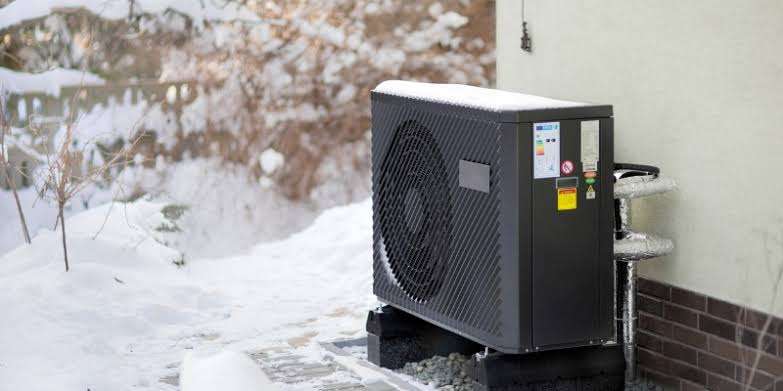
Heat pumps are a popular choice for efficient heating and cooling in many homes, especially in regions with moderate climates. However, when outdoor temperatures drop, heat pumps can encounter a common issue: frost or ice buildup on the outdoor coil. This accumulation can reduce the system’s efficiency and even cause damage if not addressed. To combat this, heat pumps are equipped with a defrost cycle, a critical process that ensures the system continues to operate effectively during cold weather. Understanding how the defrost cycle works and why it is necessary can help homeowners maintain their heat pump’s performance and longevity.
Understanding the Defrost Cycle Process
The defrost cycle is an automatic function built into most modern heat pumps to address the problem of ice formation on the outdoor coil. When a heat pump operates in heating mode, it extracts heat from the outside air and transfers it indoors. During this process, the temperature of the outdoor coil can drop below freezing, especially in humid or damp conditions. Moisture in the air then condenses and freezes on the coil, forming a layer of frost or ice. If left unchecked, this ice acts as an insulator, preventing the coil from absorbing heat efficiently and forcing the system to work harder. The defrost cycle temporarily reverses the heat pump’s operation, switching it to cooling mode for a short period. This reversal sends warm refrigerant through the outdoor coil, melting the accumulated ice. The cycle is controlled by sensors and timers that detect when ice buildup reaches a certain threshold, ensuring the process only activates when necessary. Once the ice is melted, the system returns to heating mode, restoring normal operation and efficiency.
Why Defrosting Is Essential for Heat Pumps
Defrosting is not just a convenience; it is a necessity for the proper functioning of heat pumps in cold climates. Without a defrost cycle, ice accumulation on the outdoor coil would severely hinder the system’s ability to extract heat from the air. This would lead to reduced heating capacity, higher energy consumption, and increased wear on components as the system struggles to maintain indoor comfort. Over time, excessive ice buildup can cause physical damage to the coil and other parts, resulting in costly repairs or even system failure. The defrost cycle ensures that the heat pump can continue to operate efficiently, even in challenging weather conditions. By periodically removing ice, the system maintains optimal airflow and heat transfer, which translates to consistent indoor temperatures and lower energy bills. Homeowners who understand the importance of the defrost cycle are better equipped to recognize when their system is functioning properly and when it may need maintenance or attention.
Proper maintenance is crucial for ensuring that a heat pump’s defrost cycle operates as intended. Regular inspections and servicing by qualified professionals can help identify issues such as faulty sensors, malfunctioning timers, or refrigerant leaks that may interfere with the defrost process. SureTemp Mechanical, Inc provides comprehensive heat pump maintenance services, ensuring that all components, including the defrost system, are in optimal condition. Their technicians check for signs of excessive ice buildup, test the defrost controls, and clean the outdoor coil to prevent future problems. By scheduling routine maintenance, homeowners can extend the lifespan of their heat pump, improve energy efficiency, and avoid unexpected breakdowns during the coldest months. A well-maintained defrost cycle not only protects the system but also contributes to a comfortable and reliable indoor environment throughout the heating season.
Signs Your Heat Pump Needs Defrost Attention
Homeowners should be aware of the signs that indicate a problem with the defrost cycle. One of the most obvious indicators is visible ice or frost covering the entire outdoor unit for extended periods. While a thin layer of frost is normal during operation, thick ice that does not melt after the defrost cycle suggests a malfunction. Other warning signs include reduced heating performance, unusual noises during operation, or the system shutting down unexpectedly. If the heat pump frequently enters the defrost cycle or fails to complete it, this could point to issues with the sensors, control board, or refrigerant levels. Addressing these problems promptly can prevent further damage and restore the system’s efficiency. Homeowners should consult a qualified technician if they notice any of these symptoms, as timely repairs can save money and ensure reliable heating throughout the winter.
How Long Does a Defrost Cycle Last?
The duration of a heat pump defrost cycle typically ranges from a few minutes up to fifteen minutes, depending on the system and the amount of ice present. Most modern heat pumps are designed to minimize the time spent in defrost mode to reduce any temporary loss of heating indoors. The cycle is controlled by sensors that monitor the temperature and pressure of the outdoor coil, activating the process only when necessary. Once the ice is melted, the system automatically switches back to heating mode. If the defrost cycle seems excessively long or frequent, it may indicate an underlying issue that requires professional attention.
Preventing Defrost Cycle Problems
Preventing issues with the defrost cycle starts with regular maintenance and proper installation. Ensuring that the outdoor unit is installed in a location with good airflow and away from sources of excess moisture can help reduce the likelihood of ice buildup. Keeping the area around the unit clear of debris, leaves, and snow allows for better air circulation and more efficient operation. Homeowners should also schedule annual inspections to check for refrigerant leaks, dirty coils, or malfunctioning sensors that could interfere with the defrost process. Addressing these issues early can prevent more serious problems and keep the heat pump running smoothly throughout the winter. In addition, understanding how the defrost cycle works can help homeowners recognize when their system is operating normally and when it may need attention.
Conclusion
The defrost cycle is a vital component of any heat pump system, especially in regions where cold and damp weather can lead to ice accumulation on the outdoor coil. By automatically melting ice and restoring efficient operation, the defrost cycle protects the system from damage and ensures consistent indoor comfort. Regular maintenance and prompt attention to warning signs can help homeowners avoid costly repairs and extend the life of their heat pump. Understanding the importance of the defrost cycle empowers homeowners to take proactive steps in caring for their heating system, ensuring reliable performance and energy savings throughout the colder months.