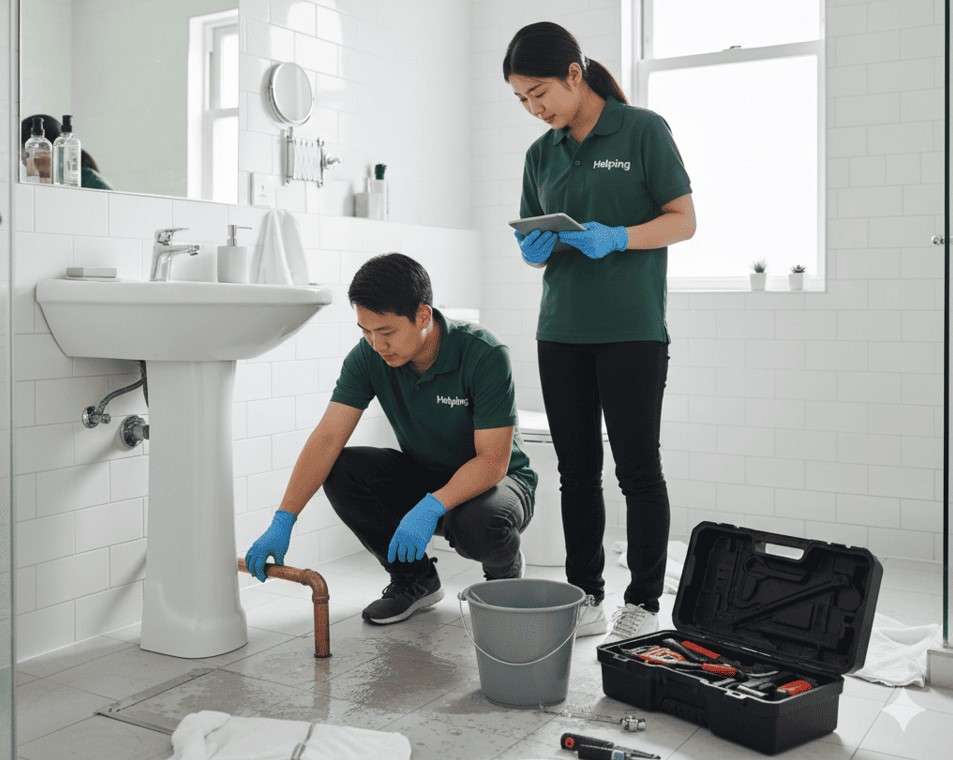
A leaking pipe can quickly turn from a minor inconvenience into a major household disaster, causing water damage, mold growth, and costly repairs if not addressed promptly. Whether the leak is a slow drip or a sudden burst, knowing how to respond can make all the difference in minimizing damage and restoring your home’s plumbing system. Acting quickly and calmly is essential, as water can spread rapidly and affect walls, floors, and even electrical systems. Understanding the right steps to take when a pipe starts leaking will help you protect your property and avoid unnecessary stress.
Steps to Handle a Sudden Pipe Leak
Identifying the Source of the Leak
When you notice water pooling or dripping from an unexpected place, the first step is to identify exactly where the leak is coming from. Pipes can leak at joints, along their length, or from connections to appliances and fixtures. Sometimes, the source is obvious, such as a visible crack or a loose fitting. Other times, water may travel along beams or behind walls, making it harder to pinpoint the origin. Carefully inspect the area around the leak, checking for dampness, discoloration, or bubbling paint. If the leak is hidden, you may need to listen for the sound of running water or feel for moisture along the suspected pipe. Locating the source quickly is crucial, as it allows you to take targeted action and prevents further water from spreading throughout your home. Once you have found the leak, you can move on to the next steps to contain the situation and prevent additional damage.
Shutting Off the Water Supply
After identifying the leaking pipe, your immediate priority should be to stop the flow of water. Most homes have a main water shut-off valve, typically located near where the water line enters the house or in the basement. Turning off this valve will halt the water supply to the entire property, giving you time to assess the situation without the risk of more water escaping. If the leak is isolated to a specific fixture, such as a sink or toilet, you may be able to use the local shut-off valve for that fixture instead. Once the water is off, open nearby faucets to drain any remaining water from the pipes and relieve pressure. This step is essential for minimizing water damage and making it safer to inspect or repair the affected area. If you are unsure where your shut-off valves are located, take the time to familiarize yourself with their positions before an emergency occurs. Many homeowners in Henderson rely on 702 PlumbAIR for guidance and assistance in these situations, as prompt action can make a significant difference in the outcome.
Temporary Solutions to Contain the Leak
While waiting for a plumber or preparing for a more permanent repair, it is important to contain the leak as much as possible. Start by placing buckets, towels, or pans under the leaking area to catch dripping water and prevent it from spreading to floors or furniture. If the leak is coming from a small crack or joint, you can use plumber’s tape, pipe clamps, or even a rubber patch secured with hose clamps as a temporary fix. These solutions are not permanent, but they can buy you valuable time and reduce the risk of water damage. Make sure to check the area frequently and replace soaked towels or empty buckets as needed. If water has already seeped into walls or floors, use fans or a wet/dry vacuum to help dry out the affected areas and prevent mold growth. Remember that these measures are only temporary, and a professional repair will be necessary to fully resolve the issue and restore your plumbing system to proper working order.
When to Call a Professional Plumber
Some minor leaks can be managed with temporary fixes, but many situations require the skills and tools of a licensed plumber. If the leak is extensive, located in a hard-to-reach area, or involves significant water pressure, it is wise to seek professional help as soon as possible. Plumbers have the experience to diagnose the underlying cause of the leak, whether it is due to corrosion, freezing, or faulty installation. They can also ensure that repairs are done safely and in compliance with local building codes. Attempting to fix a major leak on your own can lead to further damage or even injury, especially if you are unfamiliar with plumbing systems. In addition, a professional can inspect your entire plumbing network to identify any other potential issues that could lead to future leaks. Acting quickly to call a plumber not only protects your home but also gives you peace of mind knowing the problem will be resolved correctly.
Preventing Future Pipe Leaks
Taking steps to prevent future leaks is just as important as addressing the current issue. Regularly inspect your pipes for signs of wear, corrosion, or loose fittings, especially in older homes where plumbing may be more susceptible to damage. Insulate exposed pipes to protect them from freezing during colder months, as frozen pipes are a common cause of sudden leaks. Avoid using harsh chemical drain cleaners, which can weaken pipes over time and increase the risk of leaks. Be mindful of what goes down your drains, as clogs and blockages can create pressure that leads to pipe bursts. Scheduling routine maintenance with a qualified plumber can help catch small problems before they become major emergencies. By staying proactive and attentive to your plumbing system, you can reduce the likelihood of unexpected leaks and maintain a safe, dry home environment.
The Importance of Quick Action
Responding quickly to a leaking pipe can make a significant difference in the amount of damage your home sustains. Water can spread rapidly, seeping into walls, floors, and even electrical systems, leading to costly repairs and potential health hazards. Acting immediately to shut off the water, contain the leak, and call for professional help helps minimize these risks and ensures your home remains safe and comfortable.
Conclusion
Dealing with a sudden pipe leak can be a stressful and overwhelming experience, but knowing the right steps to take can help you manage the situation effectively. By identifying the source of the leak, shutting off the water supply, using temporary solutions to contain the damage, and calling a professional plumber when necessary, you can protect your home from extensive water damage and costly repairs. Preventative measures, such as regular inspections and maintenance, further reduce the risk of future leaks and keep your plumbing system in good condition. Acting quickly and staying informed are the keys to minimizing disruption and maintaining a safe, functional home.